Dodge Charger Bumpers in UAE: OEM and Aftermarket Prices
23 October 2026
The Cheapest Dodge Charger Bumper May Not Be the Cheapest Repair
A Dodge Charger comes back from a tight parking manoeuvre with a cracked front corner, a loose grille surround or a bumper cover that no longer sits flush beneath the headlights. The owner wants one thing: get the car looking right again without throwing money at a repair that costs more than it should.
Fair enough. But this is not a car where you should order the Dodge Charger bumpers in UAE by name alone.
Its model year, generation, trim, front-end design and fitted equipment can all affect which replacement fits. A bumper for one Charger may look close enough in an online photograph yet differ around the grille, lower openings, sensor positions or mounting points. On a performance model, those differences can be especially costly to discover after the part has been delivered and painted.
For owners in Dubai, Abu Dhabi, Sharjah and elsewhere in the UAE, the sensible comparison is between the complete cost of a correctly fitted repair, not just the prices printed beside two product photographs. An aftermarket cover may be the economical choice. A used original may offer better fit for the money. A genuine OEM part may be justified for a newer or carefully maintained car.
Get the wrong one, though, and even a bargain starts to look expensive.
Which Dodge Charger Bumper Fits Your Car?
The first question is not whether you want OEM or aftermarket. It is which bumper your Charger actually needs.
The Charger has been sold in several generations and trims, from everyday SXT and GT versions to R/T, Scat Pack, SRT and Hellcat models. Body styling can differ significantly, and Widebody versions introduce another fitment complication. A bumper that suits a standard-width car may not match the wider arches or surrounding trim of a Widebody.
Before ordering, establish:
| Vehicle detail | Why it matters |
| Model year and generation | The bumper's shape and attachment points may differ |
| Trim level | SXT, GT, R/T, Scat Pack and Hellcat designs are not automatically interchangeable |
| Standard or Widebody | Width and adjoining bodywork affect fitment |
| Front or rear | Each end has its own cover, inserts and mounting arrangement |
| Parking sensors | Sensor holes and internal mounts must match |
| Existing part number | Helps confirm the replacement reference |
| VIN or chassis number | Gives the supplier a more precise fitment check |
Be particularly careful with conversion kits. A Hellcat-style front bumper may be sold for a broader range of Chargers, but that does not mean every kit works with every hood, sensor arrangement or Widebody body shell. Some conversions require matching grilles, lower trim or other parts.
Front Bumper or Rear Bumper: Identify the Full Job
A damaged bumper cover is not necessarily the only damaged part. After a front-end knock, the grille, lower intake, brackets, guides and undertray may also need attention. At the rear, the diffuser or lower valance, reflectors, parking sensors and mounting tabs deserve a look.
Front bumper
Check the upper and lower grille openings, fog-lamp or trim apertures, corners beneath the headlights and the edges near each front wheel.
Rear bumper
Check the exhaust openings, diffuser or lower valance, sensor positions and the joints beside the rear quarter panels.
The visible plastic cover is only the outer skin. Behind it may sit an energy absorber and reinforcement structure, which should be inspected after a meaningful impact. Replacing the cover alone will not correct bent metalwork or damaged mounting brackets.
If the bumper has come loose at one corner, ask the workshop to check the guides before ordering the replacement. Otherwise, a new cover may inherit the same uneven gaps as the old one.
OEM, Genuine Mopar or Aftermarket: What Is the Difference?
These labels are often used as if they mean the same thing. They do not.
A genuine Mopar part is sold as an original manufacturer part for the relevant vehicle application. “OEM” is commonly used to describe original-equipment manufacture, but sellers sometimes apply it loosely. An aftermarket bumper is produced as a replacement outside the original manufacturer's branded parts channel. Quality and fit can vary between suppliers.
| Option | Main attraction | What to verify |
| Genuine Mopar | Original manufacturer specification | Correct part number, authenticity, price and warranty |
| Aftermarket replacement | Often a lower purchase price | Manufacturer, fitment, finish and return terms |
| Used original | May offer factory-style fit for less | Previous damage, repairs, mounting tabs and age |
| Reconditioned original | Can retain the original cover where repair is viable | Repair quality, cracks, distortion and warranty |
| Styling or conversion kit | Changes the car's appearance | Additional grilles, trim, hood compatibility, sensors and body style |
A seller calling a bumper “OEM quality” has not established that it is a genuine Mopar part. Ask for the manufacturer's name and the part reference, then get the description in writing.
For a daily-driven Charger, a sound aftermarket cover can be entirely reasonable. For an expensive performance model, a genuine part may justify its premium if originality, precise specification or future resale matters to you. The decision depends on the car and the job, not the badge alone.
How Much Does a Dodge Charger Bumper Cost in the UAE?
There is no single price that covers every Charger. A basic aftermarket cover, an SRT-style conversion and a genuine replacement can sit in very different price brackets, and the front and rear assemblies may include different items.
A useful budget separates the cover from the work required to install it.
| Cost item | What to confirm |
| Bumper cover | Front or rear, exact model year, trim and brand |
| Grilles and inserts | Included, reusable or sold separately |
| Paint | Supplied primed, unpainted or finished in the vehicle's colour |
| Labour | Removal, fitting and alignment |
| Clips and brackets | Reuse of sound fittings or replacement of damaged ones |
| Sensors and wiring | Compatibility, transfer and post-installation testing |
| Delivery | Included or charged separately |
| VAT | Whether the advertised amount includes applicable VAT |
A headline price for a bare, primed cover is not comparable with a quote for a painted bumper fitted to the car. Nor should a front conversion kit be compared directly with a standard rear cover.
The right question is: What will I pay to have the correct part fitted properly, with the car returned in the condition agreed? Get that answer in writing before you buy.
Why Aftermarket Bumpers Appeal to Charger Owners
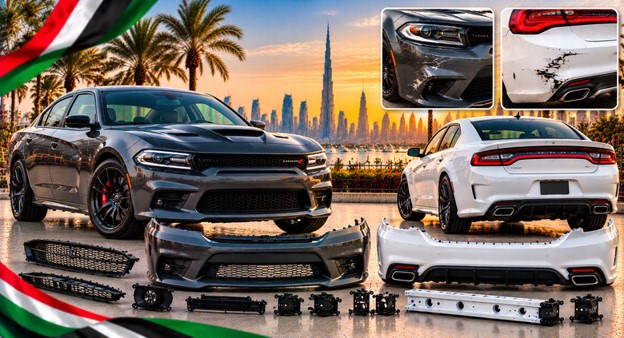
The Charger has a broad ownership profile. Some owners use it for the daily run between home and work; others keep it as a weekend performance car. A fleet or business vehicle has different priorities again. Spending on a replacement should reflect how the car is used.
For an older SXT or GT, an appropriately specified aftermarket cover may be the sensible financial choice if the original is cracked beyond economical repair. It can restore the appearance without the cost of a genuine manufacturer part.
But do not assume every aftermarket cover is made to the same standard. Moulding accuracy, surface finish and the placement of mounting points can vary. A small mismatch becomes glaring once the bumper is fitted beside the headlights and wings, and paint will not fix a cover that is physically the wrong shape.
Ask whether the part has been made for the exact trim and whether the workshop can test-fit it before painting. If the supplier cannot answer those basic questions, the low price deserves a second look.
When Is a Used Original Dodge Charger Bumper Worth Buying?
A used original can make sense when you find the right specification in good condition. It may retain the factory shape and attachment design, and a same-colour cover could reduce the amount of painting needed.
Still, inspect the back as well as the face. Look for broken tabs, stress marks around mounting holes, repaired cracks, ripples and signs of a previous collision. On performance models, check the lower openings and trim pieces carefully; a cover that looks similar may have been taken from a different trim.
A matching colour is helpful, but not decisive. Sun exposure can fade paint, and a used bumper may look darker or glossier than the panels around it. If a consistent finish matters, include repainting in the budget.
Ask the seller whether the bumper has been repaired or repainted, whether all mounting tabs are intact and whether returns are accepted if the part is incorrectly described. A cheap used cover with hidden damage is not a bargain.
Is a Genuine Mopar Bumper Worth the Extra Money?
Sometimes it is. If the Charger is newer, well maintained or a high-value performance model, preserving the original specification may matter enough to justify paying more. Genuine parts can also simplify the identification process when the exact manufacturer reference has been verified.
But a genuine label should never replace a fitment check. Part numbers can be superseded, and the correct cover may still depend on the model's trim, sensor options and body style. Ask the supplier to confirm the part against the VIN rather than relying on a broad year range.
Consider the rest of the vehicle, too. Spending heavily on a genuine bumper for a car with substantial existing cosmetic damage may be difficult to justify. A correctly fitted aftermarket cover could deliver the result you need for less.
Get the part number, condition, warranty and final price in writing. If the supplier cannot establish whether the item is genuinely Mopar, treat the claim as unverified until they can.
How to Confirm Fitment Before Ordering
The safest purchase starts with the car, not the catalogue photograph. Give the supplier the VIN or chassis number, model year, trim and whether the car has standard or Widebody bodywork. Include photographs of the existing bumper and any visible part number.
Then confirm the details that are easy to overlook:
- Hood and front-fascia design, particularly on performance trims.
- Standard-width or Widebody configuration.
- Front parking sensors, rear parking sensors and other fitted equipment.
- Grille openings, lower valance and exhaust cut-outs.
- Whether the cover includes any trim pieces or is sold bare.
- Whether the part number replaces an older reference.
Do not accept “fits 2015–2023 Charger” as the final answer if your vehicle has a specialist trim. A broad application claim is not a substitute for confirming the exact specification. And if the supplier says a conversion kit fits all trims, ask what additional parts or modifications are required.
UAE Heat, Sunlight and Exterior Plastic
The UAE's summer conditions can make an already tired bumper look worse. Strong sunlight, high surface temperatures, dust and years of outdoor parking can fade paint and leave older plastic looking dull. A previously repaired crack may also become more obvious as the surrounding finish ages.
Heat alone does not mean a bumper needs replacing. A scuffed surface may only need refinishing, while a broken mounting tab or a badly split cover requires a more serious assessment. The actual condition matters more than a blanket rule about climate.
If the Charger has spent years parked outdoors in Dubai or Abu Dhabi, compare the colour of the replacement with the rest of the car in daylight. Workshop lighting can hide a mismatch that becomes obvious once the vehicle is back outside.
Keep the repair practical. Fix the damage that exists, inspect the attachments, and avoid paying for a complete assembly when a local repair is suitable.
Can a Cracked Charger Bumper Be Repaired?
Yes, in some cases. Small cracks, scuffs and localised damage may be repairable if the surrounding plastic remains sound and the mounting points have not failed. A large split, severe distortion or damage across several mounting areas can make replacement the better option.
| Damage | Possible route | What to assess |
| Light surface scuff | Polishing or refinishing | Whether the paint or plastic is damaged |
| Scraped paint | Local repainting or refinishing | Depth of the scrape and colour match |
| Small crack | Professional plastic repair | Location, length and condition of the plastic |
| Broken mounting tab | Mount repair or replacement | Whether a secure attachment can be restored |
| Large split or distorted cover | Replacement often makes more sense | Repair cost and the cover's overall condition |
| Damage after a hard impact | Full inspection | Reinforcement, absorber, brackets and nearby structure |
Ask the repairer to explain the proposed method. Simply filling and painting over a crack may improve its appearance without restoring the strength it needs. If the damage affects a mounting point, cosmetic work alone is not enough.
Compare the repair quote with the cost of a verified replacement. There is little point spending heavily to save a cover that remains distorted, but replacing a sound original because of a minor scrape can be wasteful.
The Extra Parts That Can Push Up the Bill
A bumper quote can grow quickly when the cover is only one of the damaged items. The Charger’s front assembly may include upper and lower grilles, trim inserts, lamp surrounds, brackets and an undertray. The rear may involve a lower valance or diffuser, reflectors, sensor mounts and exhaust-related trim.
The reinforcement and energy absorber behind the cover are separate from the visible plastic. If the impact was more than a light scrape, those parts should be inspected rather than assumed to be sound.
Do not replace everything automatically. Some trim pieces and fasteners may be reusable, depending on their condition, while cracked guides or broken clips should not be forced back into service simply to reduce the invoice.
Ask the workshop for an itemised list of the parts it believes need replacement. If an additional item is discovered after the bumper is removed, request a photograph and an updated price before authorising the extra work.
Primed, Unpainted or Colour-Matched: Which Should You Buy?
Many replacement bumper covers are supplied primed but unpainted. That means the surface may be prepared for painting, but it is not a finished colour-matched part. Check the product description carefully.
| Finish supplied | Benefit | Possible extra cost or risk |
| Bare or unpainted | Gives the paint shop control over preparation and finish | May require additional surface preparation |
| Primed | Can be ready for the appropriate paint process | Primer is not a finished exterior colour |
| Pre-painted | May reduce workshop time | Colour may not match the car's aged paint |
| Used, same-colour cover | May reduce painting requirements | Scuffs, faded colour and previous repairs can remain visible |
A Charger in a bright colour or a metallic finish may need careful matching, particularly if the original paint has weathered. Even the right colour code cannot guarantee that a replacement panel will look identical under UAE sunlight.
Have the bumper test-fitted before paintwork begins. If the cover is incorrect or damaged, resolve that first. Paying to paint the wrong part is one of the more avoidable ways to waste money on a body repair.
What Does a Complete Fitted Bumper Cost?
Use the following calculation when comparing quotes:
\[ \text{Total repair} = \text{cover}+\text{paint}+\text{labour}+\text{extra parts} \]
Add delivery and applicable VAT where they are not already included. If sensors or nearby bodywork need attention, include those costs separately.
A low-cost aftermarket cover may become more expensive than expected if it requires substantial preparation or comes without necessary inserts. A used original may need less adjustment but still require repainting. A genuine part can carry a higher purchase price, though its value depends on the specific car and repair.
Ask each supplier or workshop to state the total payable, not just the price of the cover. Confirm whether the quote includes removal, fitting, alignment, clips, grilles, paint materials and sensor checks. This is the only fair way to compare alternatives.
How Long Does Dodge Charger Bumper Replacement Take?
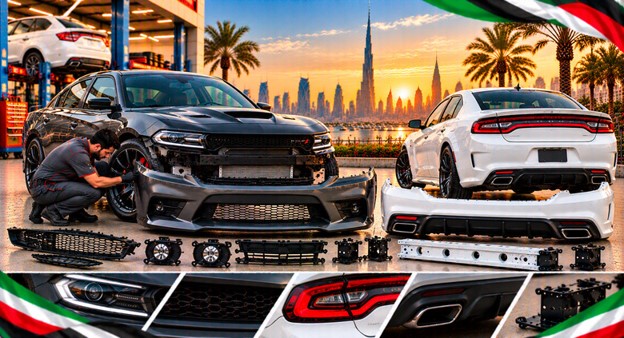
A straightforward cover replacement may be completed within a working day once the correct part is available. Painting, curing time, delayed deliveries and damage behind the bumper can stretch that schedule, so treat one day as a planning guide rather than a guarantee.
A typical job includes removal of the old cover, inspection of the mounting areas, transfer of reusable fittings, test-fitting the replacement and completing the finish. Sensor-equipped vehicles may need additional checks after reassembly.
Before leaving the car, ask whether the bumper is physically in stock and whether it needs painting. If the Charger is your daily transport or a business vehicle, agree a realistic handover time and ask the workshop to contact you before carrying out additional work.
A delayed job can cost more than money. It can mean arranging another vehicle, missing appointments or losing productive hours. That is why verified availability and a clear work schedule matter alongside the part price.
Workshop Red Flags: When to Pause the Job
A competent repairer should be able to explain what is being fitted and why. Be cautious if the workshop cannot confirm the part reference, dismisses obvious fitment differences or insists that every Charger bumper from a broad year range is interchangeable.
Other warning signs include:
- Calling an aftermarket cover genuine Mopar without supporting details.
- Refusing to clarify whether paint and installation are included.
- Painting a replacement before checking its fit.
- Ignoring broken mounting guides or damaged brackets.
- Quoting extra parts without explaining why they are needed.
- Offering no clear warranty or return conditions.
- Promising a conversion will fit without checking hood, grille, sensor or Widebody compatibility.
Ask questions before the work starts. You are not being difficult by wanting an itemised quote or a clear explanation of a part that costs hundreds of dirhams. You are trying to avoid paying twice.
How to Inspect a Replacement Before Installation
For a new cover, inspect the edges, mounting tabs, grille openings and corners for cracks or distortion. Check that the part reference and stated application match the vehicle. A fresh coat of primer can make a part look tidy, but it cannot correct moulding that is out of shape.
For a used bumper, examine the rear face as well as the visible surface. Look for repairs, missing tabs, stress marks, adhesive residue and signs of heat damage. Ask the seller to disclose any previous repair rather than relying on a generic “good condition” description.
The final check is a test-fit on the actual car. Look at the panel gaps around the wings, headlights or rear quarter panels and confirm that the fasteners engage correctly. Only proceed to paint once the fit has been accepted.
If a part is damaged on delivery, photograph it and contact the seller before installation. Cutting, drilling or painting it first can complicate a return.
Buying Online or From a Local UAE Supplier
Online listings are useful for comparing advertised prices and finding specific styles. The weakness is that the photograph may not show the actual item, and the description may leave out important details about fitment, finish or included trim.
A local supplier may make inspection easier, particularly for a used cover, but location alone does not guarantee quality. Whichever route you choose, ask for current photographs, a written part description and a clear return policy.
For remote purchases, confirm delivery charges, estimated arrival and who pays return transport if the wrong specification is supplied. A large bumper can be awkward to ship back, so sort out the terms before payment.
For a conversion kit, request a list of everything included. If the kit requires a different grille, lower valance or other fittings, those items belong in the budget from the start.
Is DIY Bumper Replacement a Sensible Option?
An experienced owner with the right tools and vehicle-specific instructions may be able to remove and refit a straightforward bumper cover. But the job is not simply a matter of undoing a few fasteners and pulling the plastic away.
Clips can be brittle, mounting points can be hidden and the bumper may carry sensors or wiring that must be handled correctly. Forcing a misaligned cover into place can break new fittings or damage surrounding trim.
If you attempt the job yourself, work on a stable surface, follow the appropriate service instructions and do not work beneath a vehicle supported only by a jack. If the impact may have damaged the reinforcement or other underlying structure, use a qualified repairer.
DIY fitting can save labour, but only if the cover is secure, properly aligned and all fitted systems work afterwards. A loose bumper is not a successful repair.
What to Check Before Accepting the Car
Take a few minutes to inspect the finished job while the workshop can still address any problems.
- The bumper sits evenly against the surrounding body panels.
- Corners are secured and do not pull away.
- Grilles, lower trim and reflectors are correctly installed.
- Parking sensors work where fitted.
- There is no obvious paint mismatch, overspray or fresh damage.
- Fasteners and clips are secure.
- The invoice identifies the supplied part and additional work.
- Warranty or return information has been provided.
If the panel gaps are uneven or a sensor warning appears, raise it before accepting the vehicle as complete. Take photographs and ask for the issue to be recorded.
Keep the invoice and repair details with the car's records. That information can help with a warranty claim, a later repair or a buyer's questions when you sell the Charger.
How to Find the Right Charger Bumper Without Guesswork
A parts search works best when you give the supplier enough information to rule out near-matches. Start with the VIN, model year, trim, body style and whether you need the front or rear cover. Add photographs of the existing part, including the mounting areas and any readable part number.
If you are comparing listings through PartFinder UAE, make the enquiry precise. Ask whether the part is genuine, aftermarket or used; whether it is primed or painted; and whether the listed price includes the grille, lower trim or other fittings shown in the photograph.
Do not rely on a product title that says “fits all Charger models” without checking the details. A styling kit may be designed to broaden fitment, but the conversion can still depend on the hood, sensor arrangement, body width and included hardware.
The goal is simple: confirm the part before you pay, not after it arrives.
Comparing Two Quotes Fairly
Imagine one supplier quotes AED 400 for an unpainted replacement cover while another quotes AED 950 for an SRT-style bumper. The second price is not automatically excessive, and the first is not automatically the better deal. They may be offering different designs, contents and levels of work.
Use a like-for-like comparison:
| Quote detail | Supplier A | Supplier B |
| Exact model and trim fitment | Confirmed / not confirmed | Confirmed / not confirmed |
| Part type and manufacturer | Stated / unclear | Stated / unclear |
| Condition | New / used / reconditioned | New / used / reconditioned |
| Paint included | Yes / no | Yes / no |
| Grilles and inserts included | Yes / no | Yes / no |
| Labour included | Yes / no | Yes / no |
| Delivery and VAT clarified | Yes / no | Yes / no |
| Warranty or return terms | Written / unclear | Written / unclear |
| Total payable | Confirmed amount | Confirmed amount |
Only compare the final totals once you know what each quote covers. If the supplier cannot clarify the complete cost, treat the figure as an incomplete quote.
Will a Replacement Bumper Affect Resale Value?
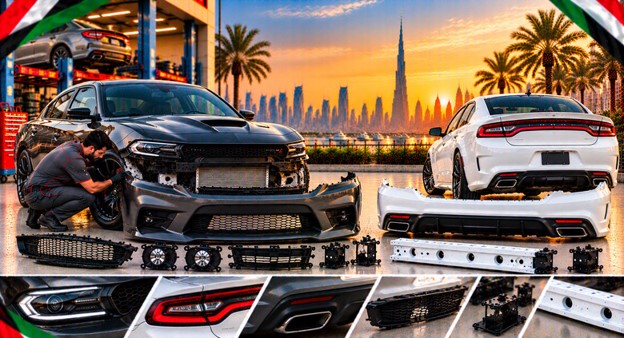
A neat, correctly fitted bumper helps a Charger look cared for. A loose corner, obvious colour mismatch or poorly aligned grille can make a prospective buyer wonder whether the repair was rushed or whether more serious damage lies underneath.
That does not mean a genuine Mopar bumper will add its full purchase price to the car's resale value. On an older vehicle, buyers will also consider mileage, service history, mechanical condition and previous accident damage. Spending heavily on a cosmetic repair may not translate into a higher sale price.
Keep the invoice, part reference and repair photographs. If the bumper was replaced following a collision, retain the relevant documentation and follow the applicable insurance and disclosure requirements. Describe the replacement honestly if a future buyer asks about it.
For a newer Scat Pack or Hellcat, maintaining the correct specification may matter more than it does for a high-mileage daily driver. Let the car's value, condition and likely ownership period guide the spending.
Insurance and Accident Documentation
If the bumper damage followed a collision, check your insurance policy and any applicable accident-reporting requirements before arranging repairs. The excess, approved-repair arrangements and insurer's authorisation process can affect whether a claim makes financial sense.
Do not assume that every minor scrape should be claimed, or that every impact is suitable for a private repair. Follow the relevant insurer and authority instructions for the circumstances.
For the repair record, retain the itemised quotation, final invoice, part description, warranty details and photographs of the damage. If the workshop discovers damaged brackets or reinforcement behind the cover, ask for that work to be documented separately.
This is useful if a supplier disputes a defective part, an insurer asks for supporting information or a future buyer wants to understand the repair. Clear paperwork protects you better than a verbal assurance that everything was sorted.
Warranty and Returns: What to Ask Before Paying
Warranty terms can differ substantially between a new aftermarket cover, a genuine part and a used bumper. Ask what is covered, how long the protection lasts and what evidence is required if the part is defective or incorrectly supplied.
A parts warranty may not cover paintwork, labour or damage caused during installation. Likewise, a seller may refuse returns once a bumper has been drilled, cut, modified or painted. Read the terms before authorising any work.
Clarify who pays transport if the part arrives damaged or does not match the stated application. For a large bumper, return delivery can be an unwelcome expense.
Keep the packaging until the part has been inspected and fitment confirmed. If damage is visible on arrival, photograph it and contact the seller promptly, before the bumper is modified or installed.
What If the Bumper Does Not Fit Properly?
Uneven panel gaps, a corner that springs out or a grille opening that sits off-centre are reasons to stop and investigate. They do not automatically prove that the replacement is defective, but they should not be waved away as normal.
Possible causes include an incorrect part, damaged mounting guides, broken clips, distorted brackets or bodywork affected by the original impact. The bumper may also be the wrong specification for the trim or body width.
Ask the installer to check the part reference and mounting points against the vehicle. If the cover is wrong, contact the supplier before anyone cuts or modifies it. If an underlying bracket is damaged, ask for a photograph and a separate quote.
Record the panel gaps and any loose areas. That makes it easier to resolve a dispute with the workshop or supplier, particularly if the part was delivered from another emirate.
How to Keep the Repair Within Budget
Start by deciding whether the bumper genuinely needs replacing. A repairable scrape or small crack may not justify a complete cover, while a badly split bumper with several broken mounts may be beyond sensible repair.
If replacement is necessary, compare a verified aftermarket cover with a used original and a genuine part where the car's condition warrants it. Then add the paint, labour, fittings and delivery. Do not leave those charges until the end.
It also helps to confirm stock before booking the car into a workshop. A low advertised price is little use if the part is unavailable or arrives with the wrong openings. For a daily driver, a realistic completion date can be as important as a modest saving.
Spend where it counts: correct fitment, secure mounting, appropriate finish and a clear warranty. Save money where the evidence supports it, not by skipping checks that prevent a second repair.
A Decision Matrix for Dodge Charger Owners
The right option depends on the car, the damage and what you expect from the repair.
| Situation | Option to investigate first | Reason |
| Minor scuff, sound mounting points | Repair and refinish | May avoid replacing a sound cover |
| Older SXT or GT with a badly cracked cover | Correctly specified aftermarket | Can limit the initial parts cost |
| Used original in excellent condition | Used OEM part | May offer good fit for the money |
| Newer, well-maintained Charger | Genuine Mopar or a verified quality alternative | May better suit an originality-focused repair |
| Scat Pack or Hellcat | Exact trim-specific cover | Performance fascia and lower trim can differ |
| Widebody model | Widebody-specific part | Standard-width fitment should not be assumed |
| Parking sensors fitted | Cover with the correct provisions | Avoids incompatible openings and poor sensor installation |
| Styling conversion planned | Complete compatible kit | Additional grilles, trim or other parts may be required |
| Vehicle needed for business use | Confirmed stock and realistic installation time | Helps limit downtime |
Do not choose the most expensive option simply because it sounds safest. Nor should you buy the cheapest listing if the seller cannot confirm that it fits. A sound repair begins with the correct part.
UAE Price Reference Update: 21 October 2026
The clearest current UAE price evidence available for this update is for new aftermarket-style front bumper covers. These are advertised listing prices, not confirmed workshop quotations, and they do not establish the price of every Dodge Charger trim or generation.
| Listed product | Advertised price | Condition and finish | What to check |
| Replacement front bumper for Dodge Charger 2015–2023 | AED 400 | New, primed and unpainted | Confirm exact trim, sensor openings, grille compatibility and fitment |
| SRT-style front bumper for Dodge Charger 2015–2023 | AED 950 | Aftermarket styling replacement; finish and included items must be confirmed | Check whether grilles or other trim are included, and whether the car requires additional parts |
Both prices are advertised online in the UAE. They should be reconfirmed with the seller before ordering, particularly if the car is a Scat Pack, Hellcat or Widebody. A broad year range in a product title does not prove that the bumper fits every version.
The AED 400 listing is described as a primed, unpainted replacement cover. Budget separately for painting, fitting and any missing fittings unless the seller confirms that these are included. The AED 950 SRT-style listing is a different product, so the price difference should not be interpreted as a direct comparison between equivalent standard bumpers.
What about genuine Mopar and used original bumpers?
No verified, current UAE quotation for a specific genuine Mopar bumper or used original Charger cover is established in this price sample. It would be misleading to convert overseas prices into dirhams and present them as local retail prices, or to invent a second-hand price without a confirmed listing.
Before committing, request a written quote that identifies the part number, manufacturer, condition, paint requirements, delivery charge, applicable VAT, labour and any additional trim. Ask the workshop to test-fit the bumper before painting it.
That gives you a meaningful figure: the amount required to repair your actual Charger, not simply the cheapest number attached to a product photograph.
Frequently Asked Questions About Dodge Charger Bumpers in the UAE
Categories
- Audi
- BMW
- Car Accessories
- Car Tips
- Ford
- Land Rover
- Mazda
- Range Rover
- Top 10
- UAE Car Parts
- Used Car Parts
- Toyota
- Replacement Engines
- Nissan
- Hyundai
- Mitsubishi
- Volkswagen
- Honda
- Kia
- Chevrolet
- Dodge
- Jeep
- Subaru
- Renault
- Lexus
- Mercedes
- Suzuki
- Hummer
- Porsche
- Infiniti
- Peugeot
- GMC
- Mini
- Volvo
- Replacement Gearboxes
- MG
- Jaguar
- Skoda
- Cadillac
- Daihatsu
- Fiat
- German Car Parts
- Japanese Car Parts
- Aftermarket Car Parts
- Genuine Car Parts
- New Car Parts
- Reconditioned Car Parts
- European Car Parts
- American Car Parts
- Korean Car Parts
- British Car Parts
- Chinese Car Parts
- Sports/Exotic Car Parts
- Luxury Car Parts
- Performance Car Parts
- SUV/4x4 Spare Parts
- Truck Spare Parts
- EV Car Parts
- Hybrid Car Parts
- Auto Spare Parts in UAE
- Tesla
- Isuzu
- Ram
- Ferrari
- Bentley
- Lamborghini
- Genesis
- Maserati
- Lincoln
- Chrysler
- Opel
- Citroen
- SsangYong
- Seat
- McLaren
- Aston Martin
- Rolls Royce
- Maybach
- Alfa Romeo
- Bugatti
- Scion
- Abu Dhabi Car Parts
- Ajman Car Parts
- Al Khan Car Parts
- Al Sajaa Car Parts
- Deira Car Parts
- Dubai Car Parts
- Fujairah Car Parts
- Industrial Area 6 Car Parts
- Mussafah Car Parts
- Ras Al Khaimah Car Parts
- Sharjah Car Parts
- Umm Al Quwain Car Parts
- Acura
- BYD
- Chery
- Dacia
- DS
- Geely Emgrand
- EXEED
- GAC
- GAC Gonow
- Geely
- Gonow
- Great Wall
- Haima
- Haval
- Holden
- Iveco
- JAC
- Jaecoo
- Jetour
- Lotus
- Omoda
- Proton
- Renault Samsung
- Roewe
- Lucid
- Replacement Headlight
- Replacement Bumper
- bugatti chiron