Used Car Parts vs New Car Parts in UAE: Which Option Makes More Sense?
July 27, 2026
Understanding Used and New Car Parts
Replacing a car part sounds simple.
Until you actually have to do it.
One workshop recommends a brand-new replacement. Another tells you a carefully inspected used part will do the job just as well. A third supplier talks about OEM components, while someone else insists genuine parts are the only sensible choice. Suddenly, what should have been a straightforward repair turns into a decision involving cost, quality, reliability and long-term ownership.
That situation plays out every day across the UAE.
A delivery driver in Dubai needs a replacement alternator before tomorrow morning. A family in Abu Dhabi wants to repair a damaged bumper without spending more than necessary. A taxi operator in Sharjah needs a gearbox that can return a vehicle to the road quickly. Meanwhile, an SUV owner in Ras Al Khaimah is trying to decide whether a used air suspension compressor is worth the risk or whether a brand-new unit makes better financial sense.
Every vehicle owner reaches this crossroads sooner or later.
The encouraging news?
There isn't a single correct answer.
Sometimes a professionally inspected used part offers remarkable value. On other occasions, buying new is unquestionably the smarter move. The real challenge is knowing which option suits the repair in front of you—not simply following the cheapest price or the loudest opinion.
Throughout this guide, we'll compare used and new car parts from every practical angle, helping you spend wisely, avoid expensive mistakes and make confident buying decisions wherever you drive in the Emirates.
Why More UAE Drivers Compare Used and New Car Parts Before Buying
Vehicle ownership has changed dramatically over the past decade.
Today's buyers rarely accept the first quotation they receive. They compare prices. They check availability. They read reviews. They ask workshops for advice. Then they weigh everything up before making a decision.
Why?
Because replacement parts can vary enormously in price.
Take something as common as a headlamp assembly.
A brand-new unit for a premium vehicle might cost several times more than a carefully sourced used replacement in excellent condition. Yet for another repair—perhaps an engine sensor or safety-related component—the price difference may not justify the additional risk.
That's exactly why comparison has become part of modern vehicle ownership.
Across Dubai, Abu Dhabi, Sharjah, Ajman, Fujairah, Ras Al Khaimah and Umm Al Quwain, owners are increasingly requesting quotations from several suppliers before approving repairs.
It's a sensible approach.
More information usually leads to better decisions.
Used Car Parts vs New Car Parts: What's the Difference?
The distinction sounds obvious at first.
Look a little closer, though, and the picture becomes more interesting.
Used Car Parts
Used parts have already served in another vehicle before being removed for resale.
Many originate from accident-damaged vehicles where perfectly functioning mechanical components remain untouched.
Others come from low-mileage vehicles that have reached the end of their life for reasons unrelated to the part itself.
A reputable supplier will normally inspect these components before offering them for sale.
Condition, however, varies.
Some used parts perform reliably for years.
Others may have hidden wear that only becomes apparent after installation.
That's why supplier reputation matters just as much as the part itself.
New Car Parts
New parts have never been installed previously.
Depending on the manufacturer, they may be:
- Genuine parts.
- OEM parts.
- Premium aftermarket parts.
- New replacement components produced by independent manufacturers.
They generally offer predictable performance, longer expected service life and warranty protection.
Naturally, those advantages often come with a higher purchase price.
Why This Comparison Matters for UAE Vehicle Owners
The UAE presents operating conditions unlike many other markets.
Summer temperatures climb dramatically.
Motorways encourage sustained high-speed driving.
Urban traffic creates endless stop-start conditions.
Fine desert dust finds its way into filters, cooling systems and moving components.
All of that influences replacement decisions.
Imagine replacing a radiator during August.
Would a carefully inspected used unit provide years of dependable service?
Perhaps.
Or would a brand-new radiator offer greater peace of mind before another long summer?
The answer depends on several factors.
Vehicle age.
Repair budget.
Expected ownership period.
Daily mileage.
Workshop recommendations.
No single rule fits every situation.
That's precisely why informed comparison becomes so valuable.
Common Car Parts That Need Replacement Most Often
Every vehicle eventually begins asking for attention.
Some components naturally wear faster than others.
Owners across the UAE regularly replace:
- Brake discs.
- Brake pads.
- Suspension arms.
- Shock absorbers.
- Air suspension components.
- Radiators.
- Water pumps.
- Alternators.
- Starter motors.
- Batteries.
- Gearboxes.
- Engines.
- ECU modules.
- Sensors.
- Headlights.
- Tail lights.
- Body panels.
- Mirrors.
- Air conditioning compressors.
Some of these parts are excellent candidates for used replacements.
Others deserve a much more cautious approach.
We'll explore those differences throughout this guide.
Used, New, OEM and Genuine Parts Explained
Here's where many buyers become confused.
The terminology sounds similar, yet each category represents something different.
Used Parts
Previously installed components removed from another vehicle and offered for resale after inspection.
New Parts
Brand-new components that have never been fitted to any vehicle.
OEM Parts
Manufactured by Original Equipment Manufacturers that supply components to vehicle manufacturers.
Although they may not carry the vehicle brand's logo, their quality frequently matches factory specifications.
Genuine Parts
Sold through the manufacturer's authorised network and produced to meet factory requirements.
Understanding these categories immediately makes supplier quotations easier to compare.
Instead of concentrating solely on price, buyers begin comparing value.
And that's a far more useful way of approaching any repair.
How to Choose a Reliable Car Parts Supplier in the UAE
Finding the right supplier isn't simply about locating the lowest quotation.
Anyone can advertise low prices.
The real difference appears after the sale.
An experienced supplier should be prepared to:
- Confirm compatibility using the VIN.
- Explain whether a used or new part is more suitable.
- Discuss warranty options openly.
- Provide realistic delivery times.
- Recommend reputable manufacturers.
- Answer technical questions without hesitation.
- Help resolve compatibility issues if they arise.
If a supplier rushes the conversation, avoids questions or cannot explain the difference between available options, treat that as a warning sign.
Good suppliers don't simply sell parts.
They help buyers avoid expensive mistakes.
Workshop Story: The Cheapest Option Wasn't the Smartest
A Toyota Prado owner visited an independent workshop after damaging a front bumper during a low-speed parking incident.
His first instinct was simple.
"Let's fit the cheapest replacement we can find."
After inspecting the vehicle, the technician noticed the bumper itself wasn't the only casualty.
Several mounting brackets and one parking sensor housing had also been damaged.
Installing the cheapest bumper without replacing those supporting components would have left uneven panel gaps and unreliable parking sensors.
Instead, the workshop sourced a high-quality used bumper in excellent condition together with brand-new brackets and clips.
The final repair looked factory-fitted.
Better still, it cost considerably less than buying every component new.
That's the kind of balanced decision experienced workshops make every day.
Why Diagnosis Should Always Come First
Here's a question worth asking.
How many expensive parts are replaced every year without actually fixing the fault?
Probably more than most people imagine.
A warning light doesn't automatically mean the control module has failed.
Poor braking doesn't always require new callipers.
An engine vibration doesn't necessarily mean major engine damage.
Proper diagnosis changes everything.
It identifies the real cause before money changes hands.
That's why experienced technicians investigate first and order parts afterwards—not the other way round.
Key Takeaways
- New and used car parts in UAE both have important roles in modern vehicle repairs.
- The correct choice depends on the component, vehicle condition and long-term ownership plans.
- Supplier knowledge often proves just as valuable as the replacement part itself.
- Comparing several quotations usually leads to better purchasing decisions.
- Professional diagnosis prevents unnecessary replacement of expensive components.
- Thinking beyond the initial purchase price often saves far more money over time.
Engine and Performance Components
Engine problems have a way of changing your plans.
One minute you're driving to work without a second thought. The next, there's a warning light glowing on the dashboard, a strange knocking noise under the bonnet or an unexpected cloud of smoke in the rear-view mirror. Ignore it and things can unravel quickly. Act early, though, and you may avoid a repair bill that makes your wallet wince.
That's why engine-related decisions deserve careful thought.
For many UAE drivers, replacing engine components isn't simply about fixing a fault. It's about protecting an investment. Whether you own a family saloon, a commercial van or a luxury SUV, the engine remains the heart of the vehicle. Cut corners in the wrong place and you'll probably pay for it later. Spend wisely, on the other hand, and the vehicle could deliver years of dependable service.
So, should you buy used engine parts or invest in new ones?
Let's dig into it.
Used vs New Engines: Which Option Offers Better Value?
Few repairs generate as much debate as engine replacement.
A brand-new engine offers obvious advantages. Every component is unused, manufacturer tolerances are exactly as intended and, in most cases, warranty protection provides additional peace of mind.
But there's another side to the story.
A professionally inspected used engine with verified mileage can often transform an older vehicle for considerably less money. Many used engines come from vehicles written off after collisions, while the powertrain itself remains in excellent mechanical condition.
That makes them particularly attractive for owners who want to keep an ageing vehicle on the road without spending more than the car is worth.
Still, every used engine deserves proper scrutiny.
Ask questions.
Request documentation.
Verify mileage wherever possible.
And never rush into a purchase simply because the price looks tempting.
Comparison:
| Feature | Used Engine | New Engine |
| Purchase price | Lower | Highest |
| Previous usage | Yes | None |
| Expected lifespan | Depends on mileage and condition | Maximum potential |
| Warranty | Varies by supplier | Usually comprehensive |
| Availability | Often immediate | Sometimes requires ordering |
| Best suited for | Older vehicles and budget-conscious repairs | Long-term ownership and newer vehicles |
The smartest choice depends on the vehicle, not just the invoice.
Engine Internal Components Compared
Complete engine replacement isn't always necessary.
Quite often, the problem lies inside the engine rather than with the engine itself.
Frequently replaced internal components include:
- Pistons.
- Connecting rods.
- Crankshafts.
- Camshafts.
- Timing chains.
- Timing belts.
- Cylinder heads.
- Oil pumps.
- Bearings.
- Valves.
Some of these components are perfectly suitable as carefully inspected used parts, particularly when sourced from low-mileage donor vehicles.
Others deserve a more cautious approach.
Timing components, bearings and internal sealing parts, for instance, are generally best purchased new because replacing them involves significant labour. Fitting worn parts simply doesn't make financial sense when the engine is already dismantled.
Think ahead.
It's usually cheaper to replace critical wear items once than to strip everything down again six months later.
Turbochargers, Fuel Systems and Air Intake Parts
Modern engines depend on far more than pistons and cylinders.
Turbochargers, fuel injection systems and air intake components all influence performance, fuel economy and emissions.
Common replacement parts include:
- Turbochargers.
- Intercoolers.
- Fuel injectors.
- High-pressure fuel pumps.
- Intake manifolds.
- Throttle bodies.
- Air flow meters.
- Boost pressure sensors.
Here's where careful evaluation becomes essential.
A professionally refurbished turbocharger may deliver excellent reliability.
A heavily worn used injector from an unknown source?
That's a gamble many workshops would rather avoid.
Whenever fuel delivery or forced induction is involved, accurate testing should always come before purchasing replacement components.
Cooling System Components: Used or New?
Ask experienced technicians what destroys engines most often and many will give the same answer.
Overheating.
The UAE climate pushes cooling systems harder than many other regions around the world. Long motorway journeys, heavy traffic and extreme summer temperatures place constant pressure on radiators, water pumps and cooling fans.
Common cooling system replacements include:
- Radiators.
- Water pumps.
- Thermostats.
- Expansion tanks.
- Cooling fans.
- Radiator hoses.
- Auxiliary pumps.
- Temperature sensors.
Some used cooling components can perform perfectly well after careful inspection.
Others simply aren't worth the risk.
For example, installing a worn water pump to save a small amount today could result in catastrophic engine damage tomorrow.
That's a risk few experienced workshops recommend taking.
Signs Engine Components Need Replacement
Engines rarely fail without warning.
More often than not, they leave clues.
Watch out for symptoms such as:
- Blue exhaust smoke.
- White exhaust smoke.
- Excessive oil consumption.
- Persistent coolant loss.
- Metallic knocking sounds.
- Rough idling.
- Reduced acceleration.
- Engine overheating.
- Increased fuel consumption.
- Illuminated engine warning lights.
Spotting these signs early can make the difference between replacing a single component and rebuilding the entire engine.
Don't ignore them.
Investigate them.
Which Engine Parts Should Always Be Bought New?
Here's a question technicians hear almost every day.
"Can I save money by buying this part used?"
Sometimes, yes.
Sometimes, absolutely not.
Components generally worth buying new include:
- Timing belts.
- Timing chains where wear is suspected.
- Gaskets.
- Oil seals.
- Water pumps.
- Thermostats.
- Spark plugs.
- Glow plugs.
- Filters.
- Drive belts.
These items represent a relatively small proportion of the overall repair cost, yet they play a major role in long-term reliability.
Replacing them with new components while access is available is usually money well spent.
Workshop Story: The Engine That Didn't Need Replacing
A Nissan Patrol owner arrived at a workshop convinced the engine had reached the end of its life.
Performance had dropped noticeably.
Fuel consumption had increased.
Another garage had already suggested replacing the complete engine.
Before ordering anything, technicians carried out a full diagnostic inspection.
The culprit?
A partially blocked fuel injector together with a faulty mass air flow sensor.
Once both components were replaced and the fuel system cleaned, the engine returned to normal performance.
No replacement engine.
No unnecessary expense.
Just careful diagnosis and methodical testing.
It's a reminder that assumptions can be expensive.
Evidence rarely is.
Getting the Best Value from Engine Repairs
The cheapest repair isn't always the smartest one.
Likewise, the most expensive option isn't automatically the best.
Instead, consider the bigger picture.
Questions:
- How old is the vehicle?
- What's the current mileage?
- How long do you intend to keep it?
- Is the engine otherwise healthy?
- Has the fault been properly diagnosed?
- Are quality used components available?
- Would buying new reduce future labour costs?
Answer those questions honestly and the right decision usually becomes much clearer.
Buyer Checklist Before Ordering Engine Components
Before confirming any purchase, make sure you have:
- The VIN.
- The engine code.
- The original part number where possible.
- Verified mileage for used engines.
- Compression test results if available.
- Warranty details.
- Supplier inspection reports.
- Installation requirements.
- Delivery timeframe.
Those simple checks can save days of frustration—and sometimes thousands of dirhams.
Key Takeaways
- Used engines can provide outstanding value when sourced from reputable suppliers and properly inspected.
- New engines remain the preferred choice for maximum longevity and manufacturer-backed reliability.
- Internal wear components are generally best replaced with new parts.
- Cooling systems deserve particular attention in the demanding UAE climate.
- Professional diagnostics frequently prevent unnecessary engine replacement.
- Looking beyond the purchase price leads to smarter long-term ownership decisions.
Gearboxes and Drivetrain Components
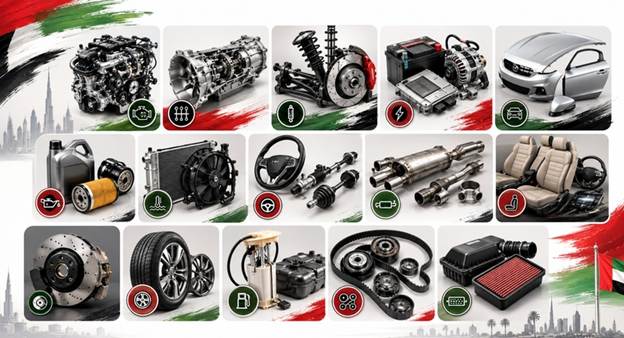
Engines usually get all the attention.
Gearboxes quietly do the hard work.
Every time you pull away from traffic lights, overtake on Sheikh Zayed Road, crawl through rush-hour traffic in Abu Dhabi or head towards the mountains in Fujairah, the transmission is constantly managing power. Hundreds of moving parts work together every second. When everything is healthy, you barely notice it. When something starts to wear out, however, the whole driving experience changes.
A delayed gear change.
A noticeable jerk.
A whining noise.
Suddenly, every journey feels different.
Gearbox repairs can become expensive, which is exactly why so many UAE drivers compare used and new transmission components before committing to a purchase. Sometimes a professionally inspected used gearbox is the most sensible investment. In other cases, fitting a brand-new transmission or replacing specific internal components delivers much better long-term value.
The trick is knowing the difference.
Used vs New Gearboxes Compared
A gearbox isn't simply a collection of gears.
It's a precision-built assembly where hydraulic systems, bearings, synchronisers, sensors and electronic controls must work together perfectly. If just one element begins to fail, the entire transmission can suffer.
That's why choosing between used and new deserves more thought than comparing price tags.
A new gearbox offers predictable reliability, factory tolerances and, in most situations, comprehensive warranty protection. It's often the preferred option for newer vehicles or owners planning to keep their cars for many years.
A used gearbox tells a different story.
If it comes from a low-mileage donor vehicle, has been thoroughly inspected and matches your vehicle exactly, it can provide exceptional value. Many workshops across the UAE install quality used gearboxes every week with excellent results.
But—and it's an important "but"—not every used transmission is worth buying.
Mileage matters.
Service history matters.
Inspection matters even more.
Comparison:
| Feature | Used Gearbox | New Gearbox |
| Purchase cost | Lower | Highest |
| Previous usage | Yes | None |
| Service life | Depends on condition | Maximum potential |
| Warranty | Supplier dependent | Usually manufacturer-backed |
| Immediate availability | Often available | May require ordering |
| Best suited for | Older vehicles and budget-conscious repairs | Long-term ownership and newer vehicles |
Choosing wisely often saves far more than choosing cheaply.
Automatic, CVT and Manual Transmission Options
Not every gearbox works in the same way.
Neither do their replacement costs.
Automatic Transmissions
Traditional automatic gearboxes remain popular because of their smooth shifting and durability when serviced correctly.
Common replacement components include:
- Valve bodies.
- Torque converters.
- Oil pumps.
- Solenoids.
- Planetary gear assemblies.
- Transmission control modules.
Some of these parts can be sourced used without issue, provided they've been inspected carefully.
Others should be approached with caution.
CVT Transmissions
Continuously Variable Transmissions rely on belts, pulleys and precise hydraulic control.
They're efficient.
They're smooth.
Yet they demand careful maintenance.
A poorly maintained used CVT can quickly become an expensive mistake, particularly if internal wear isn't detected before installation.
Manual Gearboxes
Manual transmissions are mechanically simpler.
They generally tolerate higher mileage well, assuming regular oil changes and sensible driving habits.
Synchronisers, selector forks and bearings remain common wear points, although complete manual gearboxes often represent excellent used purchases when sourced from reputable suppliers.
Clutch Kits and Flywheel Components
The gearbox doesn't work alone.
Everything starts with the clutch.
If clutch components wear excessively, even a perfectly healthy gearbox can struggle.
Common replacement items include:
- Clutch friction plates.
- Pressure plates.
- Release bearings.
- Dual-mass flywheels.
- Slave cylinders.
- Master cylinders.
Here's where many experienced workshops reach the same conclusion.
Buy new.
Labour costs involved in removing a gearbox are significant. Reusing worn clutch components simply to save a small amount rarely makes financial sense.
Replace them while access is available.
Future-you will probably be grateful.
Drive Shafts, CV Joints and Differentials
Power still has one more journey to make.
Once it leaves the gearbox, it travels through several drivetrain components before finally reaching the wheels.
These include:
- Drive shafts.
- CV joints.
- Differential assemblies.
- Propeller shafts.
- Universal joints.
- Axle shafts.
Unlike internal gearbox components, many of these parts can be purchased used with confidence if they're inspected thoroughly.
Look closely for:
- Excessive play.
- Damaged splines.
- Torn CV boots.
- Oil leaks.
- Corrosion.
- Unusual wear patterns.
Small defects often grow into major repairs if ignored.
Transfer Cases and AWD Components
Four-wheel-drive vehicles remain incredibly popular across the UAE.
From city streets to desert tracks, owners appreciate the extra traction and capability.
Transfer cases play a crucial role by distributing power between the front and rear axles.
Other important AWD components include:
- Electronic actuators.
- Chain drives.
- Output shafts.
- Differential locks.
- Control modules.
These systems operate under considerable mechanical stress.
That's why diagnosis should always come first.
A warning light doesn't automatically mean the transfer case has failed.
Sometimes a faulty sensor or actuator creates symptoms that appear much more serious than they actually are.
Never assume.
Always test.
Which Drivetrain Parts Are Safe to Buy Used?
This question comes up in workshops almost every day.
The answer isn't black and white.
Generally suitable as quality used purchases include:
- Manual gearboxes.
- Differential housings.
- Propeller shafts.
- Drive shafts.
- Transfer cases with verified inspection.
- Axle assemblies.
Usually better purchased new include:
- Clutch kits.
- Release bearings.
- Hydraulic cylinders.
- Gearbox seals.
- Bearings.
- Filters.
- Transmission fluids.
- Mounting bushes.
The reason is straightforward.
Wear items eventually wear out.
Replacing them during installation reduces future labour costs and improves long-term reliability.
Workshop Story: A Gearbox That Wasn't the Problem
A customer arrived with a premium SUV that lurched violently every time it shifted into second gear.
The owner had already received a quotation for a replacement automatic gearbox.
It wasn't cheap.
Before ordering the transmission, technicians carried out a complete diagnostic inspection.
The actual culprit?
A faulty transmission control module combined with degraded gearbox fluid.
Fresh fluid, software programming and a replacement control module completely transformed the vehicle.
The original gearbox stayed exactly where it was.
Thousands of dirhams remained in the customer's pocket.
It's another reminder that accurate diagnosis nearly always costs less than educated guessing.
Smart Questions Before Buying Transmission Components
Don't be afraid to ask detailed questions.
Good suppliers expect them.
Before placing an order, find out:
- What's the recorded mileage?
- Has the gearbox been tested?
- Does it match the VIN?
- Are sensors included?
- Has the transmission fluid been inspected?
- Is there any visible damage?
- What warranty is offered?
- Is programming required after installation?
The answers reveal a great deal about both the component and the supplier.
Long-Term Thinking Beats Short-Term Savings
It's easy to focus on today's invoice.
The wiser approach is to think about tomorrow.
Saving a modest amount by fitting a questionable transmission can easily lead to another removal, another labour bill and another period without your vehicle.
A carefully selected used gearbox from a trusted supplier can be an excellent investment.
An unknown transmission with no history?
That's a very different proposition.
The goal isn't simply to spend less.
It's to spend wisely.
Key Takeaways
- Used gearboxes can offer outstanding value when mileage, compatibility and condition are verified.
- New transmissions remain the strongest option for maximum reliability and extended ownership.
- Manual gearboxes generally represent lower-risk used purchases than neglected CVT units.
- Clutch assemblies and related wear components are usually worth buying new during gearbox installation.
- Thorough diagnostics frequently identify faults outside the gearbox itself.
- Asking detailed technical questions before buying reduces the risk of expensive mistakes.
Suspension, Steering and Braking Systems
Not every important car part sits under the bonnet.
Some of the most critical components are underneath the vehicle, quietly dealing with every pothole, speed hump, sharp corner and emergency stop. You rarely think about them until something starts knocking, clunking or pulling to one side. Then the drive becomes uncomfortable—or worse, unsafe.
Suspension, steering and braking systems don't simply improve comfort.
They protect lives.
That's why replacing these components calls for careful judgement rather than chasing the cheapest quotation. Some parts can safely be sourced used when they're thoroughly inspected. Others should almost always be fitted brand new because they wear out over time or directly affect vehicle safety.
So, where should you save money, and where shouldn't you?
Let's break it down.
Used vs New Suspension Components
Suspension absorbs punishment every single day.
High kerbs, uneven roads, long motorway journeys and constant heat all contribute to gradual wear. Add the occasional off-road trip or heavy commercial use, and components can deteriorate even faster.
Frequently replaced suspension parts include:
- Shock absorbers.
- Struts.
- Coil springs.
- Control arms.
- Trailing arms.
- Stabiliser links.
- Suspension bushes.
- Ball joints.
New suspension components generally provide the best ride quality and predictable handling.
Used parts, however, aren't automatically a poor choice.
For example, a complete control arm removed from a low-mileage vehicle may remain in excellent condition if the bushes and ball joint pass inspection. On the other hand, a used shock absorber with thousands of kilometres behind it has already experienced significant internal wear—even if it looks perfectly fine from the outside.
Looks can be deceiving.
Performance tells the real story.
Air Suspension Parts: Used or New?
Luxury vehicles have made air suspension increasingly common across the UAE.
The ride is wonderfully smooth.
Until something leaks.
Air suspension systems include:
- Air struts.
- Air springs.
- Compressors.
- Valve blocks.
- Height sensors.
- Air reservoirs.
- Control modules.
These components work together constantly, adjusting ride height and maintaining comfort.
Can you buy them used?
Yes—but selectively.
A carefully tested compressor from a reputable supplier may provide excellent value.
A leaking air spring?
That's another matter entirely.
Rubber naturally ages, especially in high temperatures. Once cracking begins, failure isn't far away.
For many workshops, replacing air springs with new units while considering quality used compressors is often the most balanced approach.
Brake Components Compared
Here's one area where compromise should be extremely limited.
Brakes aren't optional.
They either perform correctly or they don't.
Common brake components include:
- Brake pads.
- Brake discs.
- Brake callipers.
- Brake master cylinders.
- Brake boosters.
- ABS modules.
- Brake hoses.
- Wheel speed sensors.
Certain components should almost always be purchased new.
Brake pads and discs, for example, are designed to wear.
Reusing worn friction materials simply defeats their purpose.
What about used callipers?
If they're professionally inspected, rebuilt where necessary and free from corrosion or sticking pistons, they can sometimes represent good value.
Still, every braking component deserves a thorough inspection before installation.
Safety comes first.
Every single time.
Steering Systems and Rack Assemblies
Steering should feel predictable.
Light where appropriate.
Precise when needed.
If the steering wheel develops excessive play, becomes unusually heavy or starts producing knocking noises, it's time to investigate.
Common steering replacements include:
- Steering racks.
- Electric power steering motors.
- Hydraulic pumps.
- Steering columns.
- Tie rods.
- Track rod ends.
- Steering angle sensors.
A quality used steering rack can often work perfectly well when sourced from a trusted supplier and checked carefully for leaks or internal wear.
But don't overlook the smaller components.
Replacing worn tie rods while leaving tired track rod ends in place rarely ends well.
Think of the entire steering system, not just the largest part.
Wheel Bearings, Bushes and Control Arms
These components rarely attract much attention.
Yet they influence almost everything.
Ride comfort.
Handling.
Tyre wear.
Even braking stability.
Wheel bearings gradually wear as mileage increases.
Bushes harden with age.
Control arms absorb continuous impact.
Should you buy them used?
Generally speaking, no.
Most experienced workshops recommend fitting new wheel bearings and bushes because labour costs often exceed the cost of the parts themselves.
Installing worn components only increases the likelihood of doing the same job twice.
Nobody enjoys paying for repeat labour.
Which Safety Components Should Always Be New?
This is where clear decisions become easier.
Certain parts simply aren't worth the gamble.
Components generally recommended as new include:
- Brake pads.
- Brake discs.
- Brake hoses.
- Suspension bushes.
- Ball joints.
- Wheel bearings.
- Tie rod ends.
- Track rod ends.
- Shock absorbers.
- Coil springs where fatigue is evident.
- Air suspension rubber bags.
- Fasteners specified as single-use by manufacturers.
These items experience continuous wear or directly influence steering, braking and vehicle stability.
Saving a little today could cost considerably more tomorrow.
Sometimes financially.
Sometimes in far more serious ways.
Workshop Story: The Knock That Wasn't a Shock Absorber
A customer complained about a loud knocking noise every time the vehicle passed over speed humps.
Another garage had already recommended replacing both front shock absorbers.
Before ordering anything, technicians carried out a suspension inspection.
The actual fault?
A worn stabiliser link costing only a fraction of the original quotation.
The shock absorbers remained in excellent condition.
Replacing the stabiliser links eliminated the noise completely.
The customer left with a much smaller invoice—and considerably greater confidence in the workshop.
It pays to investigate before replacing.
UAE Roads Put Suspension Under Constant Pressure
People often assume suspension only suffers on rough roads.
Not necessarily.
Smooth motorways generate continuous high-speed loads.
Urban driving means frequent braking and acceleration.
Speed humps place repeated stress on bushes and control arms.
High ambient temperatures gradually affect rubber components.
Even parking against kerbs too aggressively can shorten the life of suspension and steering parts.
That's why maintenance habits matter just as much as mileage.
Drive carefully.
Inspect regularly.
Deal with small problems before they become expensive ones.
Buyer Checklist Before Ordering Suspension or Brake Parts
Before approving any quotation, check the following:
- Has the fault been confirmed?
- Are both sides of the axle being inspected?
- Is wheel alignment required afterwards?
- Are replacement bolts included?
- Does the part match the VIN?
- Are wear items being replaced together?
- Is the supplier offering a warranty?
- Has the workshop explained why used or new is being recommended?
The best repairs aren't based on assumptions.
They're based on evidence.
Long-Term Value Comes from Balance
Buying new isn't always necessary.
Buying used isn't always risky.
The best decision usually sits somewhere in the middle.
A carefully inspected used steering rack may offer years of dependable service.
A second-hand brake disc?
That rarely makes sense.
Understanding where to invest—and where sensible savings are possible—is what separates informed buyers from expensive guesswork.
Key Takeaways
- Suspension, steering and braking systems deserve careful evaluation because they directly affect safety and driving confidence.
- Many structural suspension components can be purchased used after thorough inspection.
- Brake friction materials, wheel bearings, bushes and similar wear items are generally best bought new.
- Air suspension requires selective purchasing, with rubber components usually favouring new replacements.
- Accurate diagnosis frequently prevents unnecessary replacement of costly assemblies.
- Looking at the complete system rather than one failed component often leads to more reliable repairs.
Electrical and Electronic Components
Cars have changed.
Open the bonnet of a modern vehicle and you'll still find an engine, belts and cooling hoses. But look a little deeper and you'll discover something else entirely. Sensors. Control modules. Wiring looms. Computers talking to computers. One tiny electrical fault can trigger half a dozen warning lights, even though the real problem sits hidden behind a single connector.
That's why electrical repairs often confuse owners.
The symptoms rarely point directly at the faulty component.
A warning light doesn't always mean the ECU has failed.
A rough idle doesn't automatically mean an injector is faulty.
Even a battery problem can fool dozens of electronic systems into behaving strangely.
So before rushing out to buy replacement parts, slow down.
Test first.
Replace second.
It sounds simple, yet it saves countless UAE drivers from spending money where they don't need to.
Used vs New ECU Modules
The Engine Control Unit is the vehicle's brain.
It monitors engine performance, fuel delivery, ignition timing, emissions and countless other functions every second. If something falls outside the expected range, the ECU reacts almost instantly.
Replacing it, however, isn't always straightforward.
Brand-new ECU modules provide the greatest confidence because they're unused, backed by manufacturer specifications and free from hidden wear.
Used ECUs can also represent excellent value—but only under the right circumstances.
Compatibility becomes absolutely critical.
The software version.
The vehicle specification.
Immobiliser coding.
Programming requirements.
Everything has to line up correctly.
Buy the wrong module and it may never communicate with the rest of the vehicle, regardless of how good its condition appears.
That's why reputable suppliers always ask for the VIN before recommending an ECU.
If they don't, that should raise questions.
Sensors and Electronic Control Systems
Modern vehicles depend on information.
Without accurate data, electronic systems simply can't make correct decisions.
Common sensors include:
- Oxygen sensors.
- Crankshaft position sensors.
- Camshaft position sensors.
- Knock sensors.
- Coolant temperature sensors.
- Mass air flow sensors.
- Manifold pressure sensors.
- Wheel speed sensors.
- Steering angle sensors.
- Parking sensors.
Many sensor failures produce identical symptoms.
Poor acceleration.
Higher fuel consumption.
Warning lights.
Rough running.
That makes diagnosis essential.
Would buying a used sensor save money?
Occasionally.
Would most experienced technicians recommend it?
Usually not.
Sensors naturally age, and their accuracy often declines long before complete failure occurs.
Considering their relatively modest price compared with labour costs, new sensors generally make far more sense.
Alternators, Starter Motors and Wiring Components
Every journey begins with electrical power.
Alternators recharge the battery.
Starter motors crank the engine.
Wiring distributes electricity throughout the vehicle.
When one component starts struggling, the effects spread surprisingly quickly.
Typical replacement parts include:
- Alternators.
- Starter motors.
- Battery cables.
- Earth straps.
- Fuse boxes.
- Wiring looms.
- Relays.
- Voltage regulators.
Quality used alternators and starter motors can often provide excellent value, particularly when they've been bench-tested before sale.
But wiring?
That's different.
Hidden corrosion, previous repairs and heat damage aren't always visible from the outside.
Before replacing an entire wiring loom, workshops usually perform continuity testing to isolate the actual fault.
Replacing everything rarely solves anything if the diagnosis is wrong.
Headlights, Tail Lights and Lighting Modules
Lighting systems have become remarkably sophisticated.
Gone are the days when changing a simple bulb solved every problem.
Today's vehicles may include:
- LED headlights.
- Matrix lighting systems.
- Adaptive headlamps.
- DRL modules.
- Tail light control units.
- Cornering lights.
- Automatic levelling motors.
A used headlight assembly removed from an accident-free vehicle often represents excellent value.
Why pay significantly more for a brand-new unit if the used component is virtually identical and undamaged?
Electronic lighting modules, however, deserve extra attention.
Some require coding.
Others need software updates.
Compatibility once again becomes the deciding factor.
Infotainment, Navigation and Comfort Electronics
Drivers now expect far more than reliable transport.
Touchscreens.
Wireless connectivity.
Reversing cameras.
Parking assistance.
Climate control.
Digital instrument clusters.
These systems improve convenience, but they also introduce additional repair decisions.
Frequently replaced components include:
- Infotainment displays.
- Navigation units.
- Digital dashboards.
- Audio amplifiers.
- Bluetooth modules.
- Climate control panels.
- Reversing cameras.
- Parking assistance modules.
- USB interfaces.
Used infotainment equipment often offers excellent savings, especially when replacing damaged screens or faulty multimedia units.
Still, don't overlook software compatibility.
A screen that fits physically may not function correctly without programming.
Which Electronic Components Should Never Be Bought Used?
Here's where caution becomes your best friend.
Certain electronic parts simply aren't worth the uncertainty.
Components generally better purchased new include:
- Oxygen sensors.
- Mass air flow sensors.
- Crankshaft sensors.
- Camshaft sensors.
- Coolant sensors.
- Knock sensors.
- Relays where reliability is critical.
- Fuses.
- Battery terminals if heavily corroded.
These items are relatively affordable and directly influence engine management or vehicle reliability.
Replacing them with new components reduces the likelihood of chasing intermittent faults later.
Workshop Story: Four Warning Lights, One Simple Fault
A customer arrived convinced the vehicle needed a replacement ECU.
The dashboard looked alarming.
Engine warning light.
ABS warning.
Traction control.
Battery light.
Another workshop had already prepared an expensive quotation.
Instead of ordering parts immediately, technicians carried out a charging system test.
The real issue?
A failing alternator that wasn't maintaining proper system voltage.
Once the alternator was replaced and the battery fully recharged, every warning light disappeared.
The ECU had been working perfectly all along.
Electrical faults often create misleading symptoms.
That's why testing always beats guessing.
Why Electrical Diagnosis Matters More Than Ever
Unlike mechanical failures, electrical problems rarely announce themselves clearly.
A damaged earth connection may imitate a faulty sensor.
A weak battery can confuse multiple control modules.
Software faults sometimes appear identical to hardware failures.
It's easy to replace the wrong component.
Unfortunately, that happens more often than many people realise.
Professional diagnostic equipment allows workshops to read live data, monitor sensor values and identify faults with far greater accuracy.
That process saves both time and money.
Buyer Checklist Before Ordering Electronic Parts
Before confirming your purchase, ask these questions:
- Does the part number match exactly?
- Has compatibility been confirmed using the VIN?
- Does the module require programming?
- Has the component been tested?
- Is there visible water or heat damage?
- Are connectors intact?
- Is a warranty included?
- Will installation require calibration afterwards?
Those questions may only take a few minutes.
They could prevent weeks of frustration.
Long-Term Value Isn't Always About the Lowest Price
Electronic components reward careful decision-making.
A quality used infotainment screen can save a substantial amount without sacrificing reliability.
A second-hand crankshaft sensor from an unknown vehicle?
That's a very different proposition.
The aim isn't to buy used whenever possible.
Nor is it to buy new regardless of cost.
The aim is to match the right component to the right repair.
That's how experienced workshops approach every electrical diagnosis.
Key Takeaways
- ECU modules can be excellent used purchases when compatibility and programming requirements are confirmed.
- Most sensors are better purchased new because accuracy naturally declines with age.
- Used alternators, starter motors and lighting assemblies often provide strong value when properly tested.
- Modern vehicle electronics require accurate diagnosis before replacement decisions are made.
- Software compatibility is just as important as physical compatibility for many electronic components.
- Careful testing prevents unnecessary spending on expensive control modules.
Body, Interior and Exterior Parts
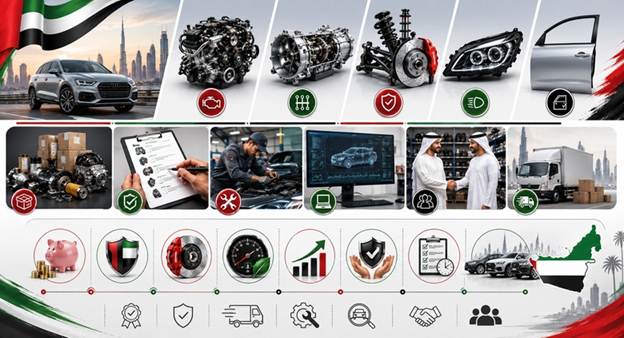
Not every repair is mechanical.
Sometimes the engine runs beautifully, the gearbox shifts perfectly and the suspension feels rock solid—but the vehicle still doesn't look the way it should. A cracked bumper. A dented door. A scratched bonnet. A broken wing mirror. Suddenly, a perfectly reliable car looks neglected.
Cosmetic damage isn't always about appearance either.
Modern body panels often support cameras, parking sensors, radar systems and lighting modules. Even a minor parking incident can affect far more than the paintwork.
That's why choosing between used and new body parts deserves just as much attention as choosing engine or transmission components.
Fortunately, this is one area where carefully selected used parts often shine.
Let's see why.
Used vs New Body Panels Compared
Body panels don't wear out in the same way engines do.
They don't contain moving internal components.
They don't generate heat.
They aren't constantly subjected to friction.
If a panel comes from an accident-free vehicle and remains free from corrosion, structural damage or poor-quality repairs, it can perform exactly as intended for many years.
Frequently replaced body panels include:
- Bonnets.
- Front wings.
- Rear quarter panels.
- Doors.
- Tailgates.
- Boot lids.
- Roof panels.
- Front and rear bumpers.
A brand-new panel offers obvious advantages.
It's unused.
It arrives straight from the manufacturer or approved supplier.
However, it often requires painting before installation, and depending on the vehicle, the cost can increase quickly.
Used panels already finished in the correct colour may dramatically reduce both repair time and paint costs.
That's one reason insurance-approved repairers regularly consider quality used body parts where appropriate.
Bumpers, Bonnets, Doors and Tailgates
These components account for a large percentage of accident repairs.
Parking mishaps.
Low-speed collisions.
Shopping trolley impacts.
They all leave their mark.
Can these parts be bought used?
Very often, yes.
Provided they're carefully inspected.
Look for:
- Previous repairs.
- Poor paintwork.
- Misaligned mounting points.
- Hidden cracks.
- Rust around seams.
- Bent reinforcement bars.
A bumper might look perfectly acceptable from a distance.
Take it off the vehicle, though, and hidden damage sometimes becomes obvious.
Always inspect beyond the surface.
Mirrors, Headlights and Exterior Trim
Exterior accessories contribute far more than appearance.
Wing mirrors now include:
- Cameras.
- Blind-spot monitoring.
- Heated glass.
- Electric folding motors.
- Memory functions.
- Indicator repeaters.
Similarly, exterior trim pieces influence aerodynamics, weather sealing and overall refinement.
Common replacement parts include:
- Door mirrors.
- Mirror glass.
- Front grilles.
- Side mouldings.
- Roof rails.
- Wheel arch trims.
- Spoilers.
- Exterior badges.
Many of these components make excellent used purchases.
Why?
Because they either work or they don't.
If an electric mirror has been tested successfully and shows no physical damage, buying used can make excellent financial sense.
Still, electronic functions should always be verified before installation.
Dashboard, Interior Trim and Cabin Components
The cabin tells the story of how a vehicle has been treated.
A well-maintained interior often reflects careful ownership.
Heavy wear can suggest years of neglect.
Interior replacement parts commonly include:
- Dashboards.
- Centre consoles.
- Door cards.
- Air vents.
- Glove boxes.
- Trim panels.
- Instrument surrounds.
- Switch panels.
Unlike mechanical parts, these components usually experience cosmetic wear rather than structural failure.
That makes quality used replacements particularly attractive.
A carefully removed dashboard from a low-mileage vehicle may look almost indistinguishable from a new one.
Just make sure all mounting clips remain intact.
Small broken clips create surprisingly annoying rattles later.
Seats, Steering Wheels and Interior Accessories
Drivers spend every journey interacting with these components.
Comfort matters.
Appearance matters.
Safety matters too.
Common replacements include:
- Front seats.
- Rear seats.
- Steering wheels.
- Centre armrests.
- Seat belts.
- Sun visors.
- Headrests.
- Carpets.
- Floor mats.
Used seats often provide remarkable value, particularly for owners restoring older vehicles.
Leather interiors, in particular, can transform the cabin without the cost of complete reupholstery.
Seat belts, however, deserve much greater caution.
If they've experienced collision loads or show signs of wear, replacement with new components is generally the safest approach.
Safety should never become a compromise.
Which Cosmetic Parts Offer the Best Used Value?
Here's where used parts frequently outperform expectations.
Many cosmetic components experience little or no mechanical wear.
That makes them ideal candidates for reuse.
Excellent used purchases often include:
- Doors.
- Bonnets.
- Tailgates.
- Mirrors.
- Interior trim.
- Centre consoles.
- Dashboard panels.
- Seat assemblies.
- Wheel arch trims.
- Front grilles.
- Roof rails.
- Alloy wheels, provided they're professionally inspected.
Components generally worth buying new include:
- Mounting clips.
- Fasteners.
- Weather seals if deteriorated.
- Windscreen mouldings where damaged.
- Adhesive fixing kits.
Sometimes the smallest new parts make the biggest difference to the finished repair.
Workshop Story: Saving Thousands with Colour-Matched Panels
A family SUV arrived after a minor side-impact collision.
The insurance excess alone made the owner hesitate.
Replacing two damaged doors with brand-new panels would require painting the entire side of the vehicle to achieve a perfect colour match.
Instead, technicians located two excellent-condition used doors finished in exactly the same factory colour.
After careful inspection and minor polishing, both panels fitted perfectly.
No extensive repainting.
No noticeable colour difference.
The repair finished sooner than expected, and the customer saved a substantial amount.
Sometimes the smartest repair isn't the newest one.
It's the one planned properly.
Don't Judge Parts by Their Appearance Alone
A shiny bumper isn't automatically a good bumper.
Fresh paint can hide previous repairs.
Likewise, a dusty door sitting in storage may simply need cleaning before revealing excellent condition underneath.
Ask suppliers:
- Has the part been repaired previously?
- Is it original factory metal?
- Are mounting points intact?
- Does corrosion exist behind trim panels?
- Are sensors included?
- Is the panel structurally straight?
Those questions often reveal far more than photographs ever can.
Buyer Checklist Before Ordering Body or Interior Parts
Before placing your order, confirm:
- Exact colour code where relevant.
- VIN compatibility.
- Presence of all mounting brackets.
- Sensor compatibility.
- Mirror specifications.
- Trim level.
- Upholstery colour.
- Airbag compatibility where applicable.
- Glass condition.
- Warranty terms.
Getting these details right the first time avoids unnecessary returns and installation delays.
Cosmetic Repairs Also Affect Resale Value
People naturally notice appearance first.
Before hearing the engine.
Before checking the service history.
Before driving the vehicle.
A car with well-aligned body panels, matching paintwork and a tidy interior creates immediate confidence.
Conversely, poorly fitted replacement panels or mismatched trim can reduce buyer confidence, even if the vehicle is mechanically excellent.
That's another reason thoughtful part selection pays dividends long after the repair is complete.
Key Takeaways
- Body and interior components often represent some of the safest and most cost-effective used purchases.
- Carefully inspected colour-matched panels can reduce both repair costs and painting expenses.
- Electronic mirrors and lighting assemblies require compatibility checks before installation.
- Interior trim parts generally suffer cosmetic rather than structural wear, making quality used replacements highly attractive.
- Small installation components such as clips and seals are usually worth replacing with new items.
- Careful inspection prevents hidden accident damage from becoming an expensive surprise.
Cost Comparison and Ownership Value
Ask ten vehicle owners why they choose used or new car parts and you'll probably hear the same answer.
"Because it's cheaper."
Is it, though?
Sometimes.
Sometimes not.
That's where many buyers get caught out.
The purchase price is only the beginning. Labour costs, repeat repairs, downtime, warranty coverage and long-term reliability all influence what you'll actually spend over the next few years. A part that appears expensive today might save thousands later. Equally, the cheapest quotation on paper can turn into the costliest decision once repeat labour and additional failures begin stacking up.
So don't focus on one number.
Look at the whole picture.
That's how experienced workshops assess value.
Used vs New Car Parts Price Comparison
Let's begin with the obvious.
Used parts usually cost less than new ones.
That price difference can range from modest savings for common service items to dramatic reductions for expensive components such as engines, gearboxes or body panels.
Here's a general comparison.
| Component | Used Part | New Part |
| Engine | Lower initial cost | Highest purchase cost |
| Gearbox | Lower | Higher |
| Alternator | Moderate saving | Higher |
| Starter motor | Moderate saving | Higher |
| Door | Significant saving | Higher plus paint costs |
| Headlight | Often much cheaper | Premium pricing on many models |
| Suspension arm | Moderate saving | Higher |
| Dashboard trim | Large saving | Often expensive to order |
At first glance, buying used appears to be the obvious winner.
Not always.
Suppose a brand-new alternator lasts another eight years while a heavily worn used unit fails after twelve months.
The second repair means paying labour twice.
Suddenly, those original savings begin disappearing.
That's why smart buyers compare ownership costs rather than purchase prices alone.
Labour Costs Across the UAE
Labour deserves far more attention than many people give it.
Replacing a door mirror may take less than an hour.
Replacing a gearbox?
That's an entirely different conversation.
Although prices vary between independent workshops, specialist garages and authorised dealerships, labour generally increases as repairs become more complex.
Typical examples include:
| Repair Type | Labour Complexity |
| Alternator replacement | Low |
| Starter motor replacement | Low to moderate |
| Brake replacement | Moderate |
| Suspension repairs | Moderate |
| Steering rack replacement | High |
| Engine replacement | Very high |
| Gearbox replacement | Very high |
Now think about this.
If labour already represents a substantial portion of the repair bill, does it really make sense to install a questionable wear component simply to reduce the parts invoice?
Often, it doesn't.
Many experienced technicians recommend replacing inexpensive wear items with new components whenever major assemblies are already removed.
It's simply better value.
Long-Term Ownership Cost Analysis
This is where things become interesting.
Imagine two identical vehicles.
Owner A chooses the cheapest available replacement part every time.
Owner B spends slightly more on carefully selected, high-quality components.
Five years later, who has spent less?
In many cases, Owner B.
Why?
Because repeat labour, breakdown recovery, lost time and additional component failures often outweigh the initial savings.
Think beyond today's repair.
Think about next year.
And the year after that.
Vehicles reward long-term thinking.
Repair vs Replacement Decisions
Every workshop faces this question.
Repair the existing component?
Or replace it completely?
The answer depends on several factors.
Ask yourself:
- Has the component already been repaired before?
- Is internal wear becoming widespread?
- Will repairing it provide lasting reliability?
- Are replacement parts readily available?
- How much labour is involved?
- Does the repair include a meaningful warranty?
Sometimes repairing a component represents excellent value.
Sometimes replacing it avoids months of recurring problems.
There's no universal rule.
Each case deserves individual assessment.
Hidden Costs Buyers Often Overlook
The invoice doesn't always reveal the complete financial picture.
Several additional costs frequently appear after replacement work begins.
These include:
- Diagnostic charges.
- Additional labour.
- Replacement seals.
- Fluids.
- Filters.
- Programming.
- Wheel alignment.
- Fasteners.
- Calibration.
- Recovery vehicle charges.
- Vehicle hire.
- Lost business income.
Commercial vehicle operators understand this particularly well.
A delivery van parked in a workshop isn't earning money.
Downtime carries its own price tag.
Ignoring those indirect costs often leads to poor purchasing decisions.
Which Parts Deliver the Best Overall Value?
Not every component follows the same rule.
Some parts consistently represent excellent used purchases.
Others almost always justify buying new.
Generally excellent used purchases:
- Doors.
- Bonnets.
- Tailgates.
- Manual gearboxes.
- Differential assemblies.
- Interior trim.
- Dashboard components.
- Mirrors.
- Alloy wheels after inspection.
Generally better purchased new:
- Brake pads.
- Brake discs.
- Filters.
- Belts.
- Bearings.
- Bushes.
- Wheel bearings.
- Gaskets.
- Seals.
- Sensors.
- Spark plugs.
- Fluids.
The goal isn't to buy everything used.
Nor should everything automatically be new.
Balance usually produces the best value.
Workshop Story: The "Cheap" Repair That Became Expensive
A courier company brought in one of its delivery vans with a worn clutch.
To reduce costs, an old clutch release bearing was reused because it still appeared serviceable.
Three months later, the bearing failed.
The gearbox had to come out again.
The second labour bill exceeded what a brand-new bearing would have cost several times over.
The original saving disappeared overnight.
One small decision turned a sensible repair into an expensive lesson.
That's why experienced workshops replace certain wear items automatically during major repairs.
Cost Isn't the Same as Value
People often treat these words as if they mean the same thing.
They don't.
Cost is what you pay.
Value is what you receive.
A high-quality used bonnet that fits perfectly and lasts for years offers excellent value.
A bargain-priced electronic module that never works properly?
That's simply cheap.
When comparing quotations, don't ask only:
"Which supplier costs less?"
Also ask:
"What am I actually getting for my money?"
The answers may surprise you.
Buyer Checklist Before Comparing Quotes
Before accepting any quotation, compare more than the final figure.
Check:
- Part condition.
- Warranty period.
- Supplier reputation.
- Compatibility confirmation.
- Included accessories.
- Labour estimate.
- Delivery timeframe.
- Installation requirements.
- Return policy.
- Inspection documentation.
Two quotations with identical prices can represent completely different levels of value.
Details matter.
Thinking Like a Long-Term Owner
Here's a simple mindset that often saves money.
Spend carefully where reliability matters.
Save wisely where condition can be verified.
That approach usually delivers better ownership costs than chasing the cheapest option every single time.
Cars respond well to consistency.
Good maintenance.
Thoughtful repairs.
Quality components.
Those habits often reduce ownership costs far more effectively than constantly searching for the lowest price.
Key Takeaways
- Purchase price represents only one part of the total ownership cost.
- Labour, downtime and repeat repairs frequently outweigh initial savings.
- Some used components deliver exceptional value, while wear items generally justify buying new.
- Comparing complete quotations produces better decisions than comparing prices alone.
- Long-term thinking consistently leads to lower ownership costs.
- The cheapest repair isn't always the most economical repair.
Buying Used and New Car Parts Across the UAE
Finding the right replacement part isn't usually the hardest job.
Finding the right supplier often is.
The UAE offers thousands of options. Independent dismantlers. Specialist importers. Dealer networks. Online marketplaces. Performance workshops. Parts retailers. Salvage suppliers. The choices seem endless, and that's both good news and bad news.
Good, because competition gives buyers more opportunities to compare prices.
Bad, because not every supplier follows the same standards.
One quotation may include a tested part with a warranty. Another may offer the same component at a lower price—but without confirming compatibility, condition or return options.
That's why smart buyers don't rush.
They compare.
They ask questions.
And they gather enough information before making a decision.
Let's look at how that process works.
Buying Car Parts in Dubai
Dubai remains one of the largest automotive parts markets in the Middle East.
Whether you own a Japanese hatchback, a German luxury saloon, an American pickup or a European SUV, you'll usually find multiple suppliers competing for your business.
That competition benefits buyers.
Instead of accepting the first offer, compare several quotations.
Look beyond the headline price.
Ask:
- Has the part been inspected?
- Is mileage available?
- Is the part genuine, OEM or aftermarket?
- Does a warranty apply?
- Can compatibility be confirmed using the VIN?
The supplier willing to answer detailed questions often provides greater confidence than the one offering the lowest figure.
Knowledge is valuable.
So is transparency.
Buying Parts Across Abu Dhabi, Sharjah and Other Emirates
Dubai may receive much of the attention, but it's far from the only option.
Vehicle owners across Abu Dhabi, Sharjah, Ajman, Ras Al Khaimah, Fujairah and Umm Al Quwain also have access to a wide network of suppliers.
Many businesses now deliver nationwide, making geographical location less important than it once was.
That creates an advantage.
You're no longer limited to whatever happens to be available nearby.
A gearbox in Abu Dhabi.
A colour-matched door in Sharjah.
An alternator in Ajman.
If the supplier offers secure delivery and proper documentation, sourcing parts from another emirate often makes perfect sense.
Expand your search.
Better options frequently appear.
Comparing Local and Online Car Parts Suppliers
Buying habits have changed dramatically.
Years ago, most people visited parts counters in person.
Today?
Many quotations arrive within minutes through websites, messaging platforms or email.
Online suppliers offer several advantages:
- Faster price comparisons.
- Wider stock availability.
- Easier access to specialist components.
- Nationwide delivery.
- Convenient quotation requests.
- Digital warranty documentation.
Local suppliers still provide valuable benefits too.
You may inspect parts personally.
Discuss technical details face-to-face.
Build long-term relationships.
For many buyers, the strongest approach combines both.
Research online.
Verify carefully.
Then purchase with confidence.
VIN Matching and Compatibility Checks
Here's one of the biggest mistakes buyers make.
They assume identical-looking parts are interchangeable.
Unfortunately, that's not always true.
Manufacturers regularly change components during production.
Different engine sizes.
Different trim levels.
Different transmission options.
Different electronic systems.
Two vehicles built in the same year may require completely different replacement parts.
That's why the Vehicle Identification Number becomes so important.
VIN matching helps suppliers confirm:
- Engine specification.
- Gearbox type.
- Production date.
- Factory options.
- Electronic configuration.
- Original equipment numbers.
Never skip this step.
It dramatically reduces compatibility problems.
How to Compare Multiple Quotations Before Buying
Receiving several quotations is easy.
Comparing them properly takes a little more effort.
Don't focus solely on price.
Instead, compare:
- Part condition.
- Warranty period.
- Mileage where applicable.
- Inspection process.
- Delivery time.
- Supplier experience.
- Return policy.
- Technical support.
- Included accessories.
- Installation advice.
Imagine two suppliers.
One offers a lower price but provides almost no information.
The other costs slightly more while supplying inspection photographs, compatibility confirmation and warranty coverage.
Which quotation actually delivers better value?
Usually, the answer becomes obvious.
Delivery Options Across the UAE
Speed matters.
Especially when the vehicle sits in a workshop waiting for parts.
Most suppliers now offer flexible delivery options across the Emirates.
Common services include:
- Same-day delivery within selected cities.
- Next-day nationwide delivery.
- Workshop delivery.
- Collection from supplier premises.
- Courier services for smaller components.
- Freight arrangements for large assemblies.
Before confirming your order, ask when the part will actually arrive.
An attractive quotation loses much of its appeal if the vehicle remains off the road for another week.
Time has value too.
Workshop Story: Three Quotations, One Better Decision
A business owner needed a replacement automatic gearbox for a delivery vehicle.
The first quotation looked attractive.
Very low price.
No inspection report.
No warranty.
The second supplier provided testing documentation but couldn't confirm compatibility.
The third quotation wasn't the cheapest.
It included verified mileage, VIN confirmation, inspection records and warranty coverage.
Guess which option the workshop recommended?
The third one.
Not because it cost more.
Because it reduced uncertainty.
The vehicle returned to work quickly and remained reliable.
Sometimes the best quotation isn't the smallest number.
It's the one carrying the least risk.
Warning Signs You Should Never Ignore
Most suppliers work hard to build trust.
A few don't.
Be cautious if a supplier:
- Refuses VIN verification.
- Avoids technical questions.
- Cannot explain part history.
- Offers no return policy.
- Refuses inspection photographs.
- Pressures immediate payment.
- Provides inconsistent information.
- Avoids discussing warranty terms.
Those warning signs deserve attention.
If something feels rushed or unclear, keep looking.
There are plenty of reputable suppliers across the UAE.
Buyer Checklist Before Choosing a Supplier
Before placing your order, confirm the following:
- VIN compatibility.
- Part number.
- Condition report.
- Warranty coverage.
- Delivery schedule.
- Return process.
- Supplier reputation.
- Installation requirements.
- Included accessories.
- Final quoted price.
Tick every box.
Then move forward.
Not before.
Why Comparing Suppliers Saves More Than Money
Many buyers assume comparison only reduces costs.
It does much more than that.
Comparing suppliers often improves:
- Reliability.
- Product quality.
- Delivery speed.
- Technical support.
- Warranty protection.
- Compatibility accuracy.
- Overall buying confidence.
Good purchasing decisions rarely happen by accident.
They're built on information.
The more relevant information you gather, the easier it becomes to choose the right replacement part for your vehicle.
Key Takeaways
- The UAE offers a wide choice of suppliers across every emirate, creating strong opportunities for price and quality comparisons.
- VIN matching remains one of the most effective ways to avoid compatibility problems.
- Comparing complete quotations produces better decisions than comparing prices alone.
- Delivery speed, warranty coverage and technical support all contribute to overall value.
- Reputable suppliers welcome detailed questions because transparency builds confidence.
- Taking time to compare several suppliers usually leads to lower risk and better long-term ownership outcomes.
Choosing Between Used and New Parts
By now, one thing should be obvious.
There isn't a universal answer.
If someone tells you to always buy new, they're oversimplifying the decision. If another person insists used parts are always the smarter financial move, that's equally misleading.
Every repair has its own story.
A ten-year-old family SUV with 240,000 kilometres on the clock shouldn't necessarily be repaired in the same way as a two-year-old executive saloon still covered by warranty. The owner's budget matters. The vehicle's condition matters. Future plans matter.
Even the part itself changes the equation.
That's why experienced workshops don't follow a fixed rulebook.
They evaluate.
They compare.
Then they recommend.
Let's look at the situations where each option genuinely makes sense.
When Used Car Parts Make Financial Sense
Used parts aren't simply about saving money.
They're about buying intelligently.
In many situations, a professionally inspected used component delivers almost identical performance to a new one while costing considerably less.
Used parts often make excellent sense when:
- The vehicle has high mileage.
- The car's market value is relatively modest.
- Cosmetic components need replacing.
- Rare or discontinued parts are difficult to source new.
- The replacement has been removed from a low-mileage donor vehicle.
- The supplier provides inspection records and warranty coverage.
Imagine replacing a damaged tailgate on an older SUV.
Would spending thousands on a brand-new panel always be sensible?
Probably not.
A straight, rust-free, factory-painted used tailgate could restore the vehicle perfectly while leaving a significant amount in your pocket.
That's smart spending.
Not cutting corners.
When New Car Parts Are Worth the Investment
Now let's look at the opposite situation.
Some repairs justify buying new without hesitation.
Especially when safety, reliability or long-term ownership take priority.
New parts usually represent the better investment when:
- The vehicle is relatively new.
- Manufacturer warranty remains active.
- The component experiences continuous wear.
- Labour costs are exceptionally high.
- The repair involves critical safety systems.
- Maximum service life is the goal.
Think about timing belts.
Brake pads.
Wheel bearings.
Engine seals.
Replacing those with questionable used components rarely makes financial sense because labour often costs more than the parts themselves.
Sometimes spending slightly more today prevents major expense tomorrow.
Used vs New vs OEM vs Genuine Parts Compared
Many buyers focus only on two choices.
Used or new.
In reality, there are four common categories worth considering.
| Part Type | Best Suited For |
| Used | Older vehicles, cosmetic repairs, budget-conscious ownership |
| New Aftermarket | Cost-effective replacements from independent manufacturers |
| OEM | Factory-quality components without manufacturer branding |
| Genuine | Maximum compatibility and manufacturer-backed confidence |
None of these options is automatically superior.
The best choice depends entirely on the repair you're carrying out.
That's why understanding the differences helps you compare quotations more effectively.
Warranty Considerations Before Buying
A warranty isn't simply a piece of paper.
It's an indication of confidence.
Reputable suppliers stand behind what they sell.
Before purchasing any replacement component, ask:
- How long does the warranty last?
- What exactly does it cover?
- Are labour costs included?
- Does professional installation affect coverage?
- Are there mileage limitations?
- What documentation is required if a claim becomes necessary?
Don't assume.
Read the details carefully.
Some warranties protect against manufacturing defects.
Others cover replacement only.
Understanding those differences avoids disappointment later.
How to Avoid Low-Quality Used Car Parts
Not every used component deserves a place in your vehicle.
Unfortunately, poor-quality parts still find their way into the marketplace.
The good news?
Most warning signs are easy to recognise.
Avoid parts that show:
- Heavy corrosion.
- Missing identification labels.
- Fresh paint hiding previous repairs.
- Broken mounting points.
- Oil contamination.
- Severe impact damage.
- Unverified mileage.
- No inspection documentation.
Equally important, pay attention to the supplier.
If they're reluctant to answer technical questions or become defensive when asked about inspection procedures, consider looking elsewhere.
Confidence usually comes from transparency.
Complete Buyer Checklist Before Ordering Parts
Before approving any quotation, work through a simple checklist.
Confirm:
- VIN compatibility.
- Exact part number.
- Component condition.
- Warranty details.
- Inspection reports.
- Included accessories.
- Delivery schedule.
- Installation requirements.
- Return policy.
- Final total cost.
It only takes a few minutes.
Those few minutes could save days of inconvenience.
Workshop Story: A New Part That Wasn't Necessary
A customer arrived after receiving a quotation for a brand-new headlight assembly following a minor parking accident.
The price was eye-watering.
Before ordering the replacement, technicians inspected the existing unit more closely.
The lens was cracked.
The internal electronics remained fully functional.
A high-quality used headlight from an identical vehicle was sourced, tested and installed.
The fit was perfect.
The lighting system worked exactly as intended.
The owner saved a substantial amount without sacrificing quality or safety.
Choosing used wasn't the cheaper decision.
It was the smarter one.
Think About How You Use Your Vehicle
Here's something buyers often overlook.
Your driving habits influence which parts make the most sense.
Ask yourself:
- Do you drive every day?
- Is the vehicle used for business?
- Are long motorway journeys common?
- Do you plan to sell the car soon?
- Will you keep it for another five years?
- Does reliability matter more than initial cost?
The answers naturally point you towards the right purchasing strategy.
Someone covering 40,000 kilometres each year may make completely different decisions from someone who only drives at weekends.
Neither approach is wrong.
They're simply different.
The Best Buyers Compare More Than Price
Experienced buyers rarely chase bargains blindly.
Instead, they compare:
- Quality.
- Condition.
- Supplier reputation.
- Warranty.
- Labour implications.
- Long-term reliability.
- Compatibility.
- Availability.
Price remains important.
Of course it does.
But it shouldn't make every decision on its own.
Value comes from balance.
Avoid Emotional Decisions
A failed component can feel stressful.
Especially when the vehicle is off the road.
That's exactly when people make rushed decisions.
Slow down.
Gather information.
Request several quotations.
Speak with experienced technicians.
Review your options carefully.
Then decide.
Buying under pressure often leads to expensive mistakes.
Buying with good information usually produces better results.
Key Takeaways
- Used car parts often provide outstanding value for older vehicles and cosmetic repairs.
- New parts remain the preferred option for wear items, safety-critical components and long-term ownership.
- Understanding the differences between used, aftermarket, OEM and genuine parts improves purchasing decisions.
- Warranty coverage should always be reviewed before placing an order.
- Thorough inspections and reputable suppliers significantly reduce the risks associated with used parts.
- Comparing value—not simply price—consistently produces better long-term outcomes.
Smart Vehicle Ownership
Buying the right replacement part is important.
Looking after it afterwards is even more important.
Many drivers focus on repairs only when something breaks. It's understandable. Life gets busy. The car still starts, so everything must be fine... right?
Not always.
Most expensive mechanical failures don't appear overnight. They build up gradually. A tiny coolant leak becomes overheating. A worn suspension bush leads to uneven tyre wear. Dirty transmission fluid slowly shortens gearbox life. Small issues quietly grow into major repairs because nobody stepped in early enough.
That's why experienced vehicle owners think differently.
They don't simply repair problems.
They work to prevent them.
Over time, that approach usually costs less, improves reliability and helps the vehicle retain more of its value.
Preventive Maintenance That Reduces Replacement Costs
Preventive maintenance isn't complicated.
It's about consistency.
Small inspections carried out regularly often prevent repairs that would otherwise cost thousands of dirhams.
Simple habits include:
- Checking engine oil regularly.
- Monitoring coolant levels.
- Inspecting tyres for uneven wear.
- Listening for unusual noises.
- Replacing filters on schedule.
- Watching dashboard warning lights.
- Servicing the braking system.
- Inspecting suspension components.
- Checking battery condition.
- Examining belts and hoses.
None of these tasks takes very long.
Together, however, they dramatically reduce the likelihood of unexpected breakdowns.
Ignore the small things and the large bills usually follow.
Protecting Engine, Gearbox and Suspension Reliability
These three systems account for many of the largest repair invoices.
Fortunately, they're also among the easiest to protect.
Engine:
- Change oil using the correct specification.
- Replace filters on time.
- Investigate coolant loss immediately.
- Never ignore overheating.
- Warm the engine sensibly before demanding heavy performance.
Gearbox:
- Follow recommended transmission fluid service intervals.
- Investigate delayed gear changes early.
- Avoid aggressive acceleration when the transmission is cold.
- Repair leaks promptly.
Suspension:
- Check wheel alignment regularly.
- Replace worn bushes before they damage other components.
- Inspect tyres frequently.
- Avoid mounting kerbs unnecessarily.
- Slow down over speed humps.
None of these recommendations is expensive.
Neglecting them often is.
Choosing the Right Workshop for Installation
The quality of the replacement part matters.
The quality of the installation matters just as much.
Even an excellent component can fail prematurely if fitted incorrectly.
When choosing a workshop, consider:
- Technician experience.
- Vehicle specialisation.
- Diagnostic capability.
- Warranty on workmanship.
- Customer reviews.
- Transparency during inspections.
- Communication throughout the repair.
A good workshop explains.
It doesn't confuse.
If technicians willingly show worn parts, discuss repair options and answer technical questions clearly, that's usually a positive sign.
Trust grows through openness.
Reducing Long-Term Repair Costs
Many owners assume reducing costs means buying cheaper parts.
Often, the opposite is true.
Long-term savings usually come from:
- Regular servicing.
- Early fault diagnosis.
- Quality installation.
- Correct fluids.
- Preventive inspections.
- Replacing wear items before complete failure.
- Using compatible replacement parts.
- Keeping maintenance records.
Each individual decision may seem small.
Combined over several years, the financial difference becomes significant.
Vehicles reward careful ownership.
Common Car Owner Mistakes When Buying Replacement Parts
The same mistakes appear repeatedly.
They look harmless.
Some become surprisingly expensive.
Common errors include:
- Buying solely on price.
- Ignoring VIN compatibility.
- Skipping professional diagnosis.
- Delaying necessary repairs.
- Mixing incompatible components.
- Reusing worn installation hardware.
- Ignoring manufacturer specifications.
- Choosing suppliers without checking reputation.
One poor decision rarely causes major problems.
Several together often do.
That's why slowing down and reviewing every quotation carefully pays dividends.
Maintaining Your Vehicle in the UAE Climate
The UAE presents unique operating conditions.
Extreme summer temperatures.
Long motorway journeys.
Heavy urban traffic.
Occasional desert driving.
Dust.
Humidity along coastal regions.
All of these influence how replacement parts age.
Cooling systems work harder.
Air-conditioning systems operate almost continuously.
Rubber components deteriorate faster.
Batteries experience additional stress.
To minimise wear:
- Wash the vehicle regularly.
- Remove accumulated sand and dirt.
- Check coolant before summer begins.
- Inspect tyres more frequently during hotter months.
- Service the air-conditioning system periodically.
- Replace worn wiper blades before seasonal rain.
- Keep battery terminals clean.
Adapting maintenance to local conditions extends component life considerably.
Workshop Story: Routine Servicing Prevented a Major Breakdown
A company operating several delivery vehicles followed a strict maintenance schedule.
One van arrived for a routine inspection with no obvious complaints.
During the service, technicians noticed a slight coolant leak developing around the water pump.
The owner authorised replacement immediately.
A week later, another vehicle from the same fleet—maintained elsewhere—arrived after severe overheating caused extensive engine damage.
The difference between the two repairs?
One small inspection.
One timely decision.
Preventive maintenance had avoided an engine replacement.
Sometimes the biggest savings come from repairs that never become emergencies.
Service Records Add More Value Than Many Owners Realise
Maintenance history isn't only useful for workshops.
Future buyers appreciate it too.
Detailed service records demonstrate:
- Regular care.
- Responsible ownership.
- Correct maintenance intervals.
- Professional repairs.
- Consistent inspections.
When it comes time to sell, documented history often inspires greater confidence than verbal assurances ever could.
Paperwork tells a story.
A good story helps vehicles retain value.
Build a Long-Term Maintenance Mindset
Instead of asking:
"What's the cheapest repair today?"
Try asking:
"What's the smartest decision for the next five years?"
That single shift in thinking changes almost everything.
Suddenly, preventive maintenance becomes worthwhile.
Quality installation becomes worthwhile.
Proper diagnosis becomes worthwhile.
Vehicles aren't simply machines.
They're long-term investments.
Treat them accordingly.
Buyer Checklist for Smarter Ownership
Before every major repair or service, ask yourself:
- Has the fault been diagnosed properly?
- Am I comparing several quotations?
- Does the replacement part suit the vehicle's age?
- Is the workshop experienced with this model?
- Will replacing related wear items save labour later?
- Have future maintenance costs been considered?
- Does the repair improve long-term reliability?
- Am I making this decision based on value rather than urgency?
Those questions encourage better decisions every single time.
Key Takeaways
- Preventive maintenance remains the most effective way to reduce long-term ownership costs.
- Early diagnosis prevents many expensive component failures.
- Quality installation is just as important as selecting the right replacement part.
- UAE driving conditions demand more frequent attention to cooling systems, batteries and rubber components.
- Detailed maintenance records improve resale confidence and support future repairs.
- Long-term thinking consistently produces lower repair costs and greater vehicle reliability.
Complete Buying Guide
You've made it this far.
That already puts you ahead of many buyers.
Why?
Because most people only begin researching replacement parts after something has gone wrong. They search quickly. They compare one or two prices. They feel pressured to make a decision because the vehicle is off the road. In that situation, mistakes happen.
This guide has taken a different route.
Instead of asking, "What's the cheapest part available?", we've explored a much better question.
"What actually delivers the best value?"
That's the difference between buying a replacement part and making a smart investment.
Let's finish by bringing everything together.
Future Trends in the UAE Used and New Car Parts Market
The automotive parts industry isn't standing still.
It's evolving faster than ever.
Electric vehicles continue to enter the UAE market.
Hybrid technology is becoming increasingly common.
Advanced driver assistance systems now appear on vehicles that, only a few years ago, relied on much simpler electronics.
That shift changes the replacement parts landscape.
Demand is growing for:
- Battery cooling components.
- High-voltage electrical systems.
- Radar sensors.
- Cameras.
- Electronic steering modules.
- Advanced lighting systems.
- Digital instrument clusters.
At the same time, traditional demand for engines, gearboxes, suspension components and body panels remains exceptionally strong because millions of petrol and diesel vehicles continue operating across the Emirates.
The result?
A broader marketplace offering buyers more choice than ever before.
Choice is powerful—provided it's backed by good information.
Why Comparing Multiple Suppliers Saves Time and Money
Many buyers assume comparing quotations simply reduces the purchase price.
It certainly can.
But that's only one benefit.
Comparing suppliers also helps you identify:
- Better warranty coverage.
- Faster delivery.
- Higher-quality inspected parts.
- Better technical advice.
- Improved customer support.
- More accurate compatibility checks.
- Greater confidence before spending money.
Think about it.
If three reputable suppliers all recommend the same replacement part, your confidence naturally increases.
If every quotation differs dramatically, that's a signal to investigate further before committing.
Information reduces uncertainty.
Uncertainty often creates expensive mistakes.
Complete Used vs New Car Parts Buying Checklist
Before approving any repair, work through this checklist carefully.
Vehicle Details:
- Confirm the VIN.
- Verify the engine code.
- Check transmission specification.
- Confirm production year.
- Match the original part number.
Supplier Checks:
- Ask about inspection procedures.
- Request photographs where appropriate.
- Confirm warranty terms.
- Verify delivery times.
- Read customer reviews.
Part Inspection:
- Check for corrosion.
- Examine mounting points.
- Confirm electronic compatibility.
- Review mileage where applicable.
- Ask whether the part has been tested.
Workshop Questions:
- Has the fault been diagnosed correctly?
- Should related wear items also be replaced?
- Will programming or calibration be required?
- Are additional fluids or seals included?
- What labour warranty is provided?
Tick those boxes first.
Place the order afterwards.
Not the other way around.
Final Buying Advice Before You Spend
If there's one lesson running through this guide, it's this:
Don't rush.
A few extra questions today can prevent major expense tomorrow.
Ask the workshop to explain the diagnosis.
Request several quotations.
Understand exactly what you're paying for.
Think about future ownership, not just today's invoice.
And remember, the "best" replacement part isn't always the newest one.
Nor is it always the cheapest.
It's the one that suits your vehicle, your budget and your long-term plans.
That's a decision based on evidence rather than emotion.
Key Takeaways
- Used and new car parts both have an important place in modern vehicle repairs.
- The correct choice depends on the component, vehicle condition, expected ownership period and repair budget.
- Professional diagnosis should always come before ordering replacement parts.
- Safety-critical wear items generally justify buying new.
- Carefully inspected used components often provide exceptional value for cosmetic, structural and selected mechanical repairs.
- Comparing several quotations improves purchasing confidence and reduces unnecessary spending.
- Long-term ownership costs matter far more than the initial purchase price alone.
- Choosing reputable suppliers and experienced workshops leads to more reliable outcomes.
Final Thoughts: Used Car Parts vs New Car Parts in the UAE
The UAE offers one of the region's most competitive automotive parts markets, giving vehicle owners access to an enormous selection of used, OEM, genuine and new replacement components. That's an advantage—but only if you use it wisely.
Rather than accepting the first quotation that lands in your inbox, take the time to compare suppliers, verify compatibility, review warranties and understand exactly what you're buying. A thoughtful decision today can save significant money, reduce downtime and improve reliability for years to come. Whether you're replacing an engine, gearbox, suspension component, electronic module or body panel, informed comparisons nearly always produce better outcomes than rushed purchases.
When you're ready to request quotations, compare trusted suppliers and make an informed decision, PartFinder UAE provides a practical way to connect with multiple verified suppliers, helping you evaluate quality, availability and pricing before choosing the replacement part that best suits your vehicle and your budget.
Frequently Asked Questions
Categories
- Audi
- BMW
- Car Accessories
- Car Tips
- Ford
- Land Rover
- Mazda
- Range Rover
- Top 10
- UAE Car Parts
- Used Car Parts
- Toyota
- Replacement Engines
- Nissan
- Hyundai
- Mitsubishi
- Volkswagen
- Honda
- Kia
- Chevrolet
- Dodge
- Jeep
- Subaru
- Renault
- Lexus
- Mercedes
- Suzuki
- Hummer
- Porsche
- Infiniti
- Peugeot
- GMC
- Mini
- Volvo
- Replacement Gearboxes
- MG
- Jaguar
- Skoda
- Cadillac
- Daihatsu
- Fiat
- German Car Parts
- Japanese Car Parts
- Aftermarket Car Parts
- Genuine Car Parts
- New Car Parts
- Reconditioned Car Parts
- European Car Parts
- American Car Parts
- Korean Car Parts
- British Car Parts
- Chinese Car Parts
- Sports/Exotic Car Parts
- Luxury Car Parts
- Performance Car Parts
- SUV/4x4 Spare Parts
- Truck Spare Parts
- EV Car Parts
- Hybrid Car Parts
- Auto Spare Parts in UAE